In 2026, health technology has become more accessible, accurate, and integrated into daily life than ever before. What started as basic step counters has evolved into sophisticated wearables, smart rings, apps, and AI-powered tools that give real-time insights into sleep, stress, activity, heart health, and recovery. These devices and apps don’t replace healthy habits—they amplify them by providing data, motivation, and gentle nudges to help you stay consistent.
Whether you’re trying to move more, sleep better, manage stress, or simply understand your body’s patterns, the right health tech can make a big difference without overwhelming you. This guide covers the best gadgets and apps available in 2026, how they work, who they’re best for, and tips to get the most value without spending too much.
Why Health Tech Matters in 2026
Modern life is full of distractions and demands. It’s easy to lose track of sleep quality, stress levels, or how much you’re really moving. Health tech bridges that gap by:
- Providing objective data instead of guesswork (e.g., actual sleep stages vs “I think I slept well”)
- Offering personalized insights and recommendations
- Turning abstract goals into measurable progress
- Encouraging small, sustainable changes through reminders and gamification
- Helping detect patterns (e.g., poor sleep after late caffeine or stress spikes before deadlines)
According to recent reports from sources like Mayo Clinic and health tech reviews, consistent use of wearables and apps correlates with improved activity levels, better sleep hygiene, and higher adherence to wellness goals. The key is choosing tools that fit your lifestyle—not the most expensive one.
Top Health Tech Gadgets in 2026
1. Smartwatches & Fitness Trackers (Best All-Rounders)
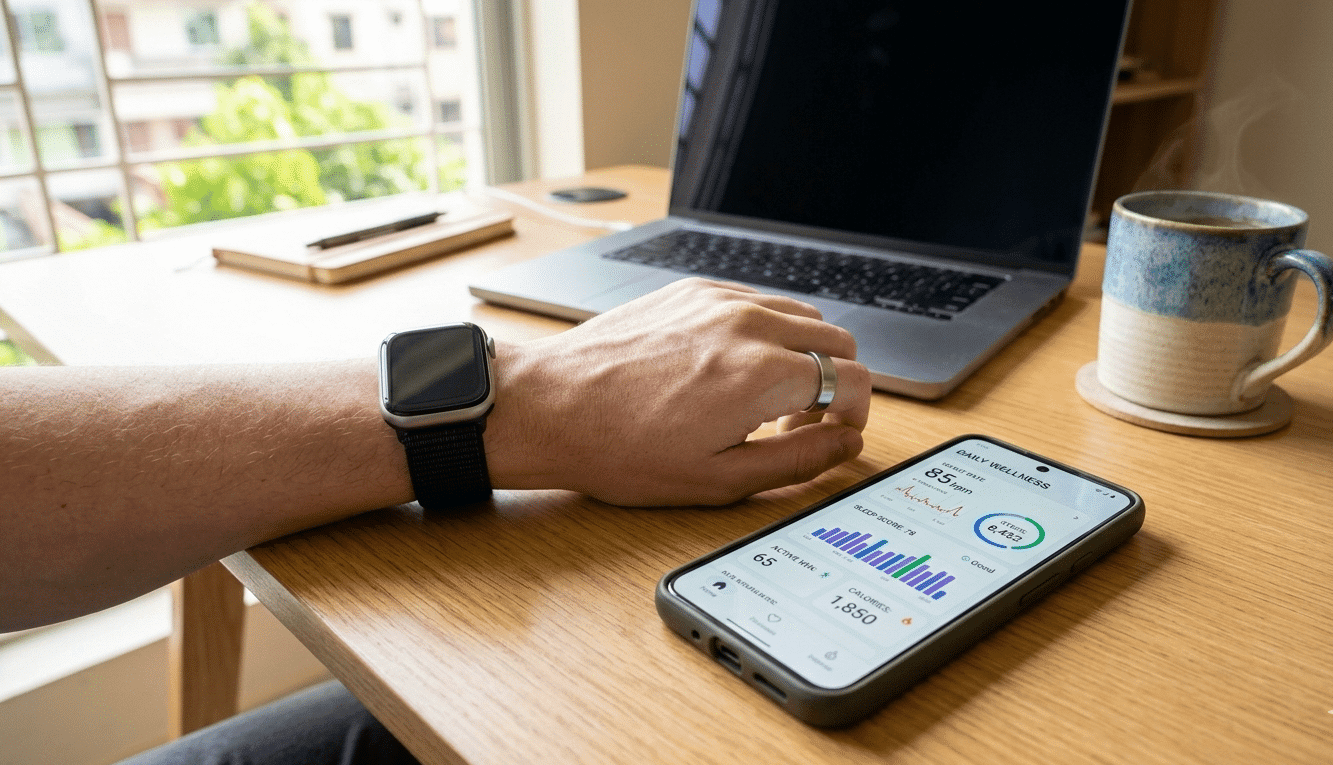
Devices like the Apple Watch Series 10/Ultra 3, Google Pixel Watch 4, Samsung Galaxy Watch 8, and Fitbit Charge 7 lead the pack. They track heart rate, steps, workouts, sleep, stress (via HRV), blood oxygen, and even ECG in some models. 2026 updates include better battery life (up to 3-7 days), AI-driven insights (e.g., “Your recovery score is low—try light stretching”), and integration with apps for guided breathing or meditation.
Pros: Comprehensive tracking, notifications, music control, emergency SOS features.
Cons: Higher price ($250–$800), daily charging for some models.
Best for: People who want one device for everything (activity + smart features).
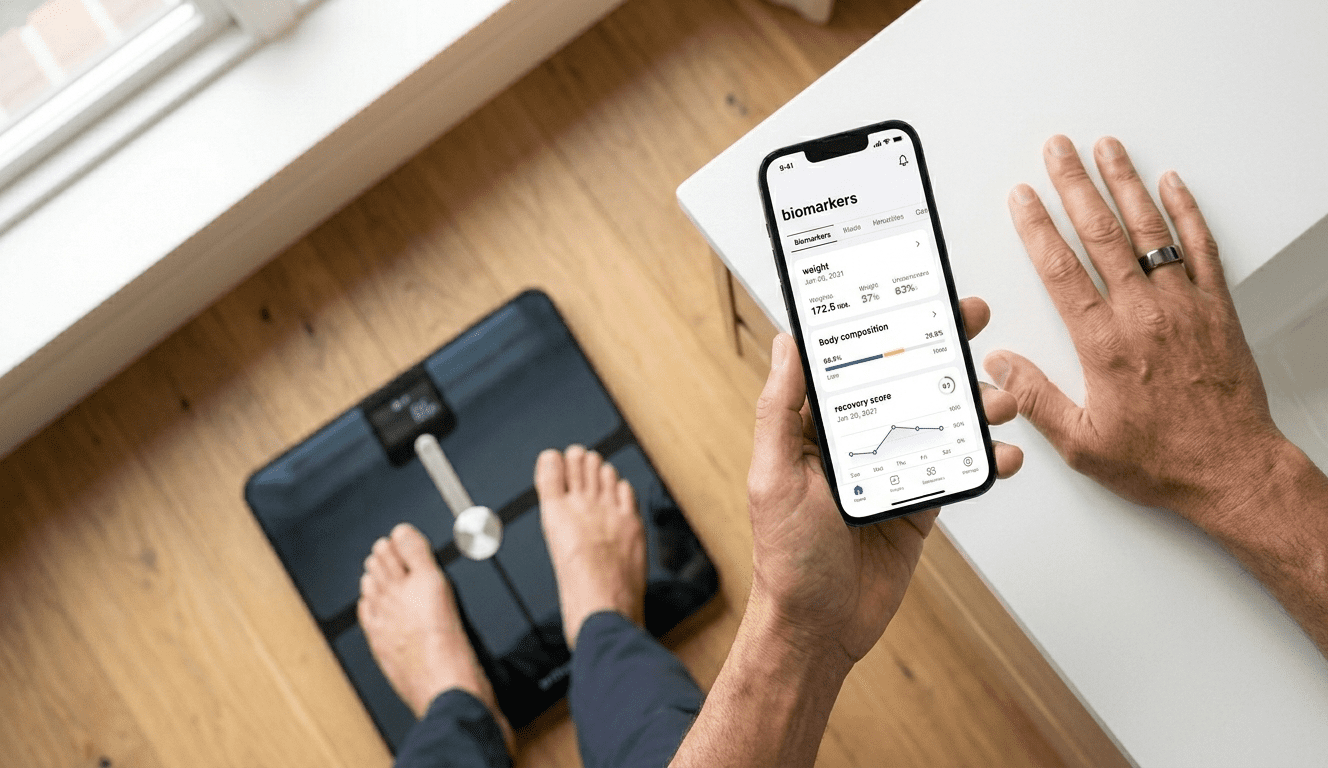
Tip: Use the “readiness score” or “daily recovery” metrics to decide workout intensity instead of pushing through fatigue.
2. Smart Rings (Discreet & Battery-Efficient)
Oura Ring Gen 4, Ultrahuman Ring Air, RingConn Gen 2, and Whoop 4.0 (strap version) are popular. They track sleep stages, HRV, temperature, activity, and readiness/recovery scores without a screen. Battery lasts 5-7 days, and they’re comfortable for 24/7 wear.
Pros: Invisible design, excellent sleep & recovery tracking, no distractions.
Cons: Less workout accuracy than watches, subscription fees for full features in some (e.g., Oura $6/month).
Best for: People who dislike wrist wearables or want deep sleep/recovery data.
Tip: Pair with a free app like Apple Health or Google Fit to sync data and avoid extra subscriptions.
3. Sleep-Specific Devices (For Better Rest)
Withings Sleep Analyzer (under-mattress mat), Eight Sleep Pod (smart mattress cover), or apps like Sleep Cycle with phone sensors. They track heart rate, breathing, snoring, sleep stages, and bedroom temperature without wearing anything.
Pros: Passive tracking, no wrist discomfort, accurate sleep insights.
Cons: Higher cost for advanced models, requires setup.
Best for: People struggling with sleep quality who don’t want wearables.
Best Wellness Apps in 2026 (Free & Paid Options)
Free/Premium All-in-One Apps
- Apple Health / Google Fit: Central hub—syncs data from wearables, tracks steps, heart rate, sleep, mindfulness minutes. Free, built-in on phones.
- MyFitnessPal or Lose It: Great for nutrition + activity logging. Scan barcodes, track macros, integrate with wearables.
- Strava or Nike Run Club: For walking/running motivation—social challenges, routes, progress tracking.
Specialized Wellness Apps
- Calm or Headspace: Guided meditation, breathing, sleep stories—ideal for stress and wind-down routines.
- Habitica or Streaks: Gamifies habit building (e.g., “drink water,” “stretch daily”) with rewards and streaks.
- WHOOP or Oura App: If you have the device, these provide AI-powered coaching (e.g., “Low strain day—focus on recovery”).
How to Choose the Right Health Tech for You
Consider these questions:
- What’s your main goal? (sleep, stress, activity, habit building)
- Do you prefer wrist, finger, or no-wear tracking?
- Budget: Free apps vs $100-500 devices?
- Do you want screen/notifications or discreet data?
Start simple: Use your phone’s built-in health app + one free app (e.g., Calm for stress). Add a tracker later if data motivates you.
Tips to Get Real Results from Health Tech
- Focus on trends, not daily fluctuations — look at weekly/monthly averages.
- Set realistic goals (e.g., 10,000 steps most days, not every day).
- Don’t obsess — use data as feedback, not judgment.
- Combine tech with real habits (e.g., tracker reminds you to walk, but you still need to do it).
- Protect privacy: Review app permissions, use strong passwords, opt out of unnecessary data sharing.
Common Mistakes to Avoid
- Buying expensive gear before testing free apps
- Ignoring recovery data (overtraining leads to burnout)
- Comparing your stats to others — everyone’s baseline is different
- Letting notifications overwhelm you — turn off non-essential alerts
Health tech in 2026 is about empowerment, not perfection. Choose tools that inspire you to move more, rest better, and feel good—not ones that add stress. Start small, track what matters to you, and adjust as you go. The best gadget is the one you actually use consistently.
Disclaimer: This is general information about technology and wellness. Devices and apps are not medical tools. Consult a healthcare professional for personal health advice or concerns.
Sources
- Mayo Clinic: Wearable Technology and Health Tracking
- Harvard Health: The Rise of Digital Health Tools
- CNET & TechRadar: Best Wearables and Health Apps 2026 Reviews