CES 2026 showcased a wave of health tech that feels more practical and integrated than ever. The focus has shifted from flashy gimmicks to tools that deliver real, preventive insights—advanced body composition scans, AI-driven recovery coaching, discreet wearables, and passive sleep monitoring. These innovations make wellness tracking effortless, helping users spot patterns in sleep, stress, recovery, and biomarkers before issues escalate.
This post dives into the standout health tech launches and updates from CES 2026, including how they work, who benefits most, pros/cons, real-world tips, and why they’re worth considering in 2026. Whether you’re optimizing daily energy, improving sleep, or focusing on longevity, these tools provide data-backed support without overwhelming your routine.
The Shift in Health Tech at CES 2026
This year’s show emphasized “invisible” tech—discreet wearables, under-mattress sensors, and AI that interprets data rather than just collecting it. Key themes included:
- Preventive biomarkers: Devices measuring 60+ health indicators at home
- Recovery-first design: Readiness scores and AI coaching to avoid burnout
- Passive tracking: No-wear sleep mats and smart rings for 24/7 insights
- Longevity focus: Tools for biological age, vascular health, and aging metrics
- AI personalization: Apps and devices offering tailored advice based on your data
These advancements build on 2025 trends but add deeper accuracy, longer battery life, and better integration with phones/apps. Consistent use helps users make small adjustments that lead to better sleep, reduced stress, and sustained energy.
Standout Gadgets from CES 2026
1. Withings Body Scan 2.0 – The Ultimate Home Biomarker Scale
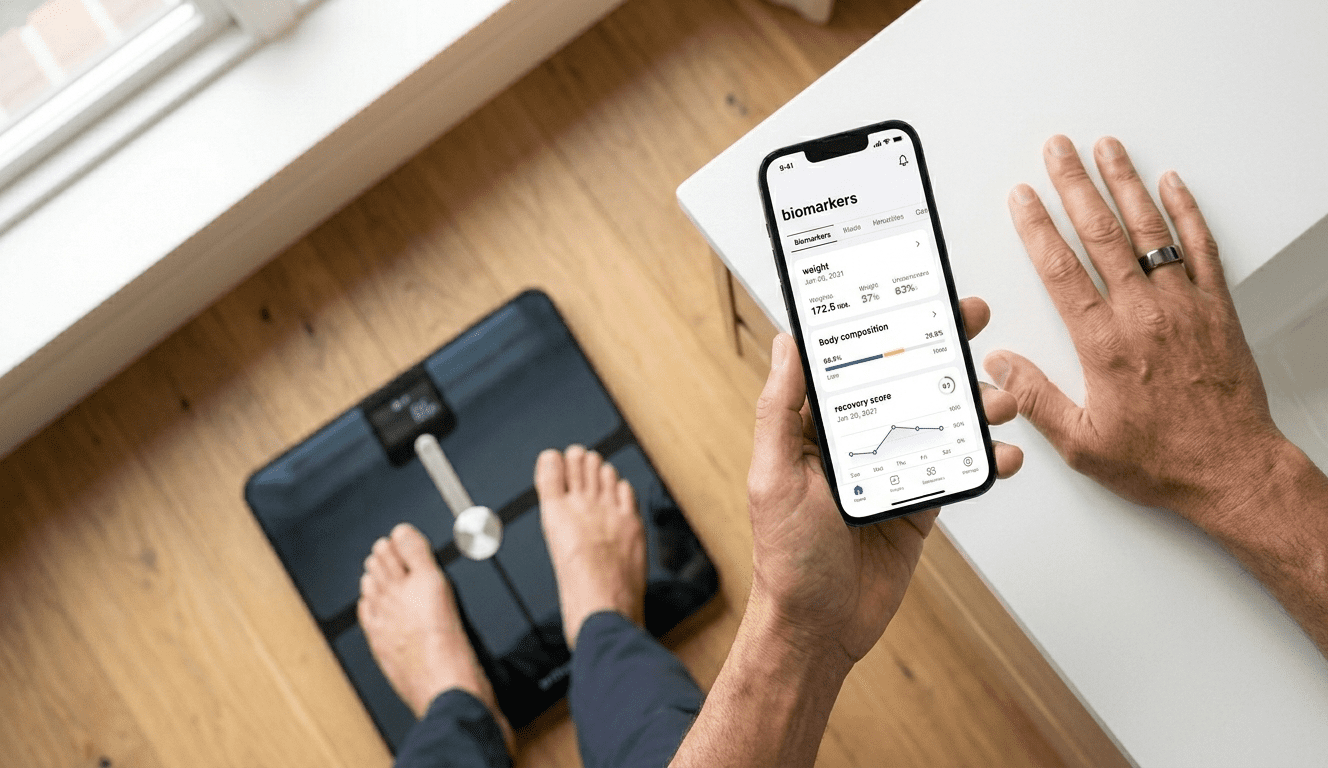
Withings upgraded their Body Scan scale to measure over 60 biomarkers via electrodes in the handle and platform. It tracks vascular age, nerve health, body composition (muscle/fat/bone), blood pressure trends, glycemic variability indicators, and more—connecting directly to your phone app for easy graphs and insights.
How it works: Step on barefoot, hold handle for 30 seconds—electrical signals assess body metrics. No wearables needed.
Pros: Clinical-grade data at home, tracks long-term trends, no subscription for core features.
Cons: Higher price point (~$400+), requires consistent use for value.
Best for: Preventive health enthusiasts wanting deep body insights without doctor visits every time.
Tip: Use weekly weigh-ins to monitor trends like muscle gain or fat loss—pair with diet/exercise changes for best results.
2. Oura Ring 4 & Similar Smart Rings – Recovery-Focused Wearables
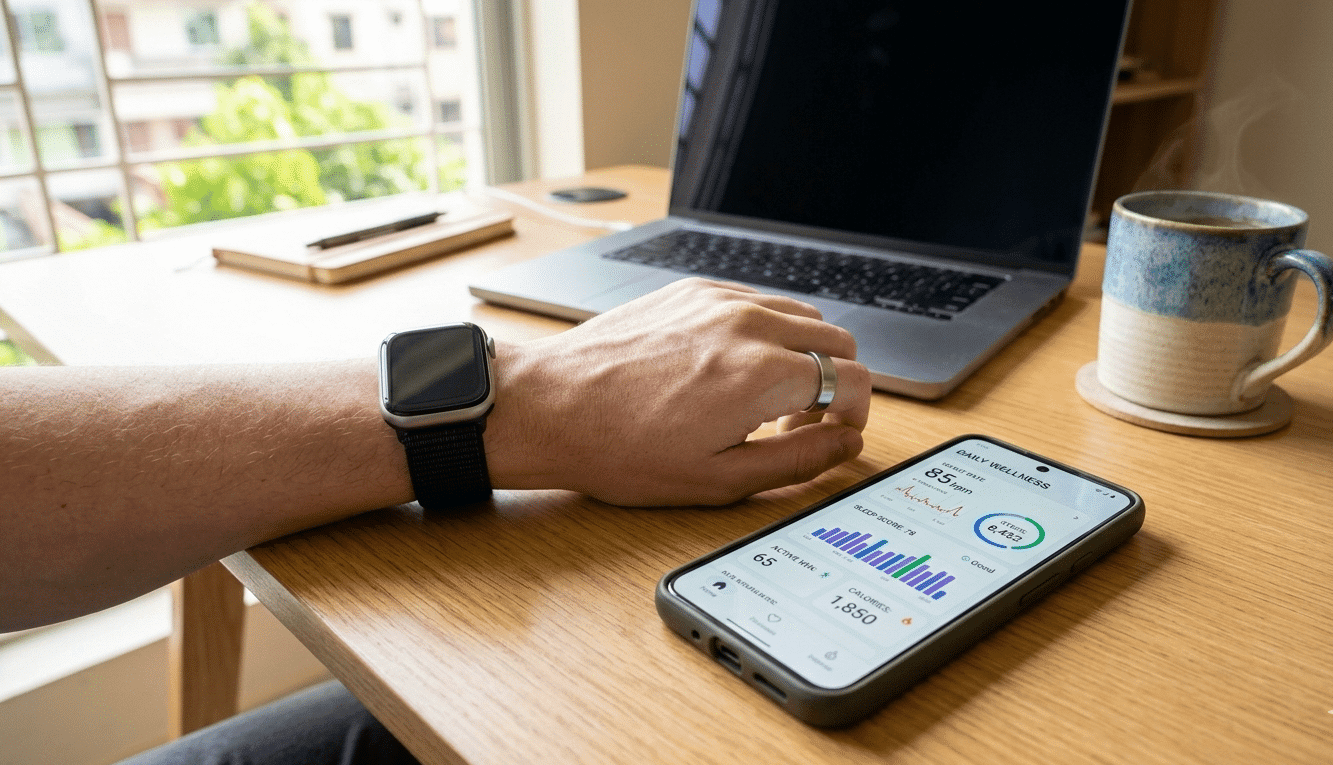
Oura Ring 4 (and competitors like RingConn Gen 2, Samsung Galaxy Ring) dominated with improved sensors for sleep staging, HRV, temperature, stress, and readiness scores. Battery lasts 7+ days, discreet design, and AI coaching (e.g., “Low recovery—prioritize light activity”).
How it works: 24/7 passive tracking via finger sensors; app delivers daily readiness and resilience scores.
Pros: Comfortable, accurate sleep/recovery data, no screen distractions.
Cons: Subscription for full AI features (~$6/month), less workout precision than watches.
Best for: Sleep and recovery optimization without bulk.
Tip: Align workouts with readiness score—high score = push harder; low = rest or walk.
3. Sleep Mats & Smart Covers (Withings Sleep Analyzer, Eight Sleep Pod)
Under-mattress mats or covers track sleep stages, heart rate, breathing, snoring, and room environment (temperature/humidity) without wearing anything.
How it works: Sensors detect movement/vitals; app provides sleep scores and tips (e.g., “Cooler room improved deep sleep”).
Pros: Passive, no discomfort, accurate for non-wearers.
Cons: Setup required, advanced models expensive.
Best for: Sleep troubleshooting without wrist/ring wear.
4. Longevity Mirrors & AI Biometric Tools
NuraLogix Longevity Mirror uses facial scan for heart/mental health risk estimates and biological age. Other AI tools analyze gait/speech for early detection.
How it works: Camera-based scan; app gives risk scores and longevity tips.
Pros: Non-invasive, preventive insights.
Cons: Emerging tech, availability limited.
Best for: Longevity-focused users.
Supporting Apps & Ecosystems in 2026
Hardware shines with strong apps:
- Oura / Whoop / RingConn Apps: AI coaching, trend graphs, habit insights.
- Apple Health / Google Fit: Free hubs syncing all devices.
- Calm / Headspace: Meditation tied to stress data from wearables.
How to Choose & Maximize Health Tech in 2026
Consider:
- Primary need (sleep → mat/ring; full tracking → watch; biomarkers → scale)
- Budget (free apps first, then $100-500 devices)
- Comfort (ring/mat for discreet, watch for features)
Pro tips: Start with 1-2 metrics; review weekly trends; use AI suggestions; protect privacy (opt-outs, permissions); combine with habits (tech reminds, you execute).
Potential Drawbacks & Realistic Expectations
- Data overload — focus on key scores, ignore noise.
- Accuracy varies — great for trends, not diagnosis.
- Cost — subscriptions add up; start free.
- Dependency — use as tool, not crutch.
CES 2026 health tech shows a future of quiet, supportive tools. Choose what fits your life, use consistently, and let data guide better choices for sustained wellness.
Disclaimer: This is general information about technology and wellness. Devices/apps are not medical tools. Consult a healthcare professional for personal health advice.
Sources
- Athletech News: CES 2026 Fitness & Wellness Tech
- Everyday Health: Best Health Tech at CES 2026
- Forbes: CES 2026 HealthTech Innovations
- CNET & PCMag: 2026 Wearables & Health Reviews