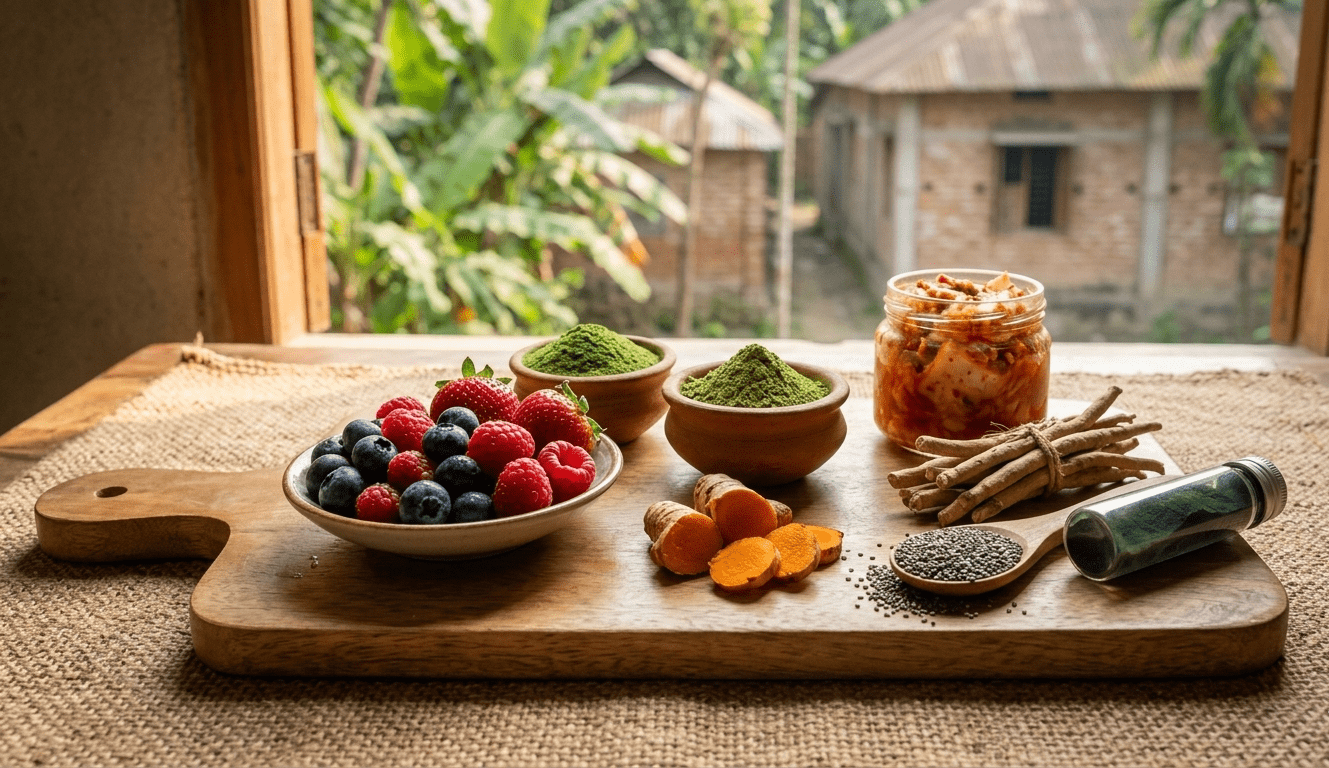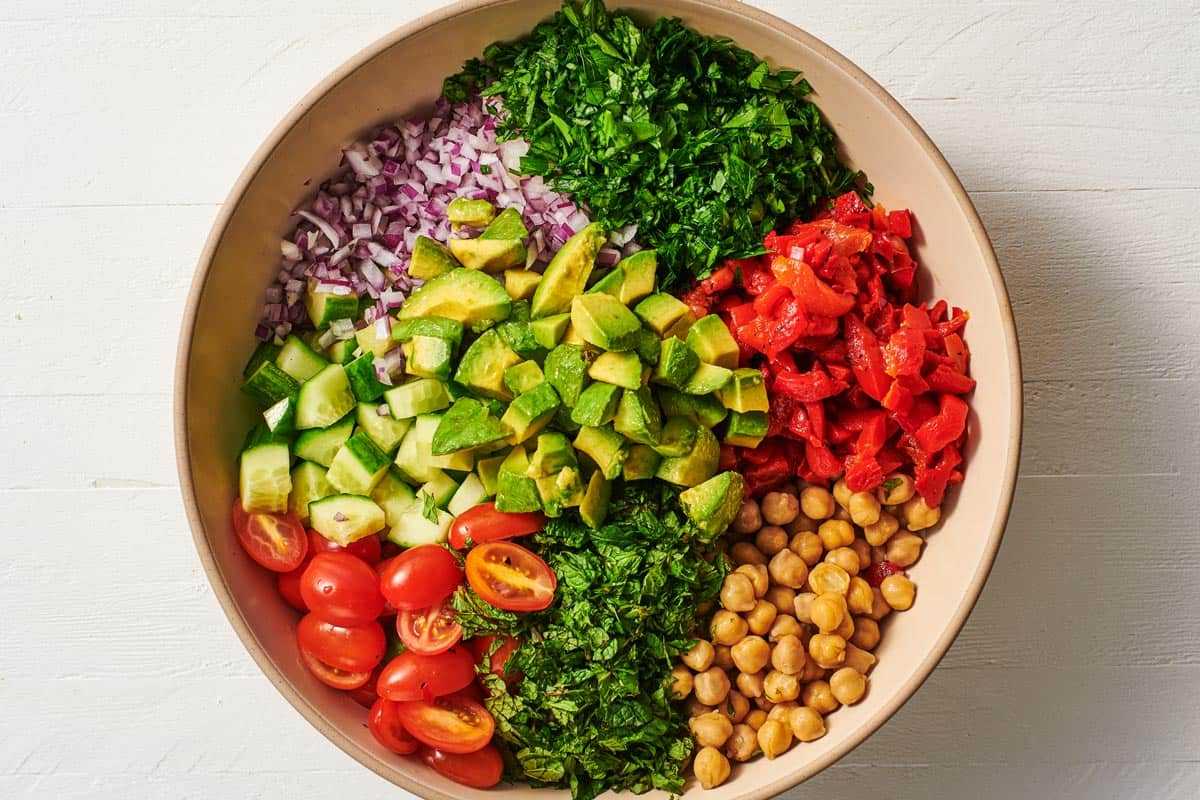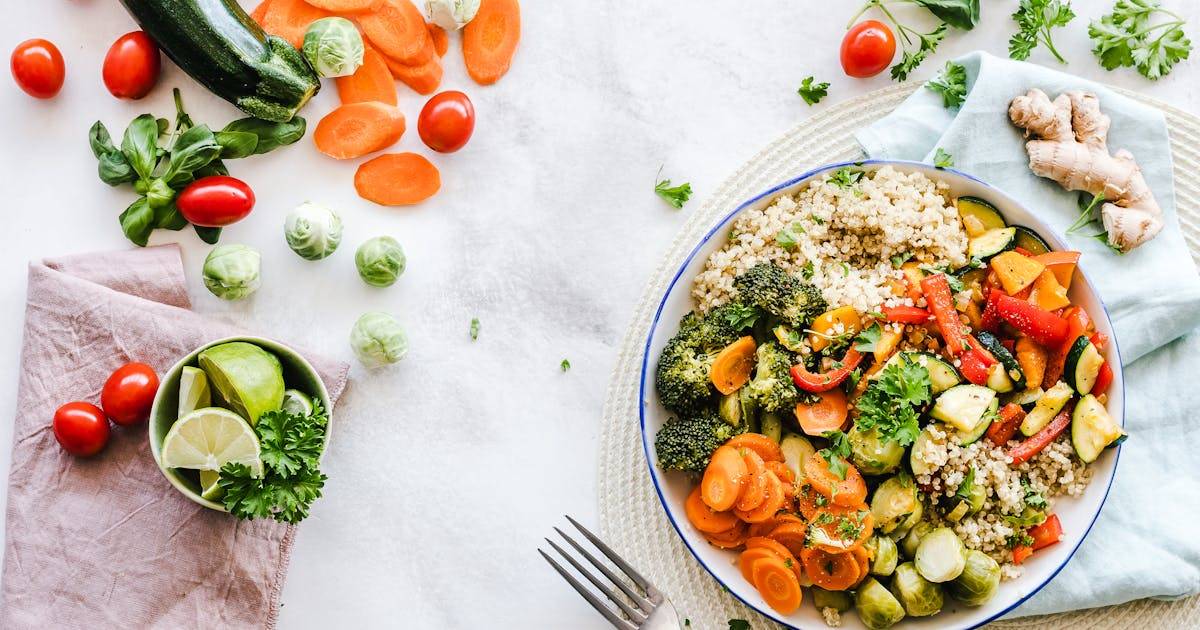
The term “superfood” gets thrown around a lot in health circles, often by marketing teams looking to sell you the latest expensive powder or exotic berry. It is a buzzword that has lost some of its meaning over the years. But if we strip away the marketing hype, the core concept remains incredibly valid: some foods simply provide far more nutritional value per calorie than others.
In 2026, we are looking at nutrition through a more scientific lens than ever before. We are no longer just looking at vitamins and minerals; we are looking at how specific compounds in these foods interact with our gut microbiome and our immune system. If you are looking to boost your immunity and overall energy levels this year, you do not need a cabinet full of supplements. You just need to walk into your local grocery store with a bit of knowledge.
This guide breaks down the seven superfoods that are actually backed by substantial scientific evidence. These aren’t just “healthy” foods — they are nutritional powerhouses that can genuinely shift the needle on your long-term health when eaten consistently.
1. Avocados: The Healthy Fat Powerhouse
For a long time, avocados were avoided by those watching their weight because they are high in fat. Now, we know better. The monounsaturated fats in avocados are heart-healthy, but their real “super” power lies in their ability to help you absorb other nutrients. Many vitamins (A, D, E, and K) are fat-soluble, meaning your body can’t actually use them unless they are consumed with healthy fats.
Avocados are also packed with fiber, which supports a healthy gut microbiome — the place where 70-80% of your immune system actually lives. A single avocado contains about 10 grams of fiber, which is nearly half of the daily requirement for many people. Beyond that, they are rich in potassium, even more so than bananas, help in maintaining healthy blood pressure levels.
How to eat: Instead of just toast, try adding half an avocado to your morning smoothie for a creamy texture without the need for dairy, or use it as a healthy replacement for mayonnaise on sandwiches.
2. Blueberries and Wild Berries
If there was a king of the superfood world, blueberries would likely wear the crown. Their deep blue color comes from anthocyanins, a group of powerful antioxidants that protect your cells from oxidative stress and inflammation. Chronic inflammation is the root cause of many age-related diseases, and blueberries are one of the most effective natural tools we have to fight it.
Research has shown that consistent consumption of blueberries can improve brain function, specifically memory and cognitive processing speed. They also support cardiovascular health by improving the function of your blood vessels. What makes them a “2026 superfood” is the emerging research on their role in DNA repair — helping your body fix the micro-damage caused by environment and aging.

How to eat: Fresh or frozen doesn’t matter; the nutritional value is virtually identical. Throw a handful into your oatmeal, yogurt, or just eat them as a snack. Aim for at least half a cup daily for the maximum benefit.
3. Deep Leafy Greens (Kale and Spinach)
It might not be the most exciting food on the list, but leafy greens are non-negotiable for a strong immune system. Spinach and kale are loaded with vitamins A, C, and E, as well as numerous antioxidants that help flight infection. They are also high in folate, which is essential for DNA synthesis and repair.
What sets them apart is their high concentration of chlorophyll and fiber. In 2026, we are learning more about how the nitrates in leafy greens can improve muscle efficiency and boost energy levels. They act as a natural “battery pack” for your cells. If you find yourself feeling sluggish in the afternoon, chances are you aren’t getting enough greens.
How to eat: If you don’t like the taste of kale raw, try sautéing it with garlic and olive oil, or blending a large handful of spinach into a fruit smoothie. You won’t even taste it, but your body will definitely feel it.
4. Turmeric and Ginger
We are grouping these two together because they work in perfect synergy. Turmeric contains curcumin, a compound with potent anti-inflammatory and antioxidant properties. Ginger, its close cousin, contains gingerol, which has been used for centuries to aid digestion and fight off the common cold.
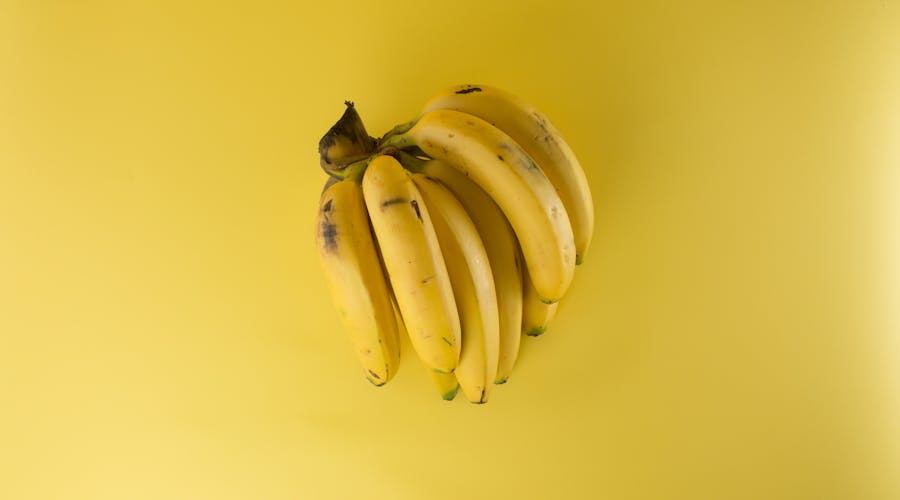
The challenge with turmeric is absorption. To get the benefits of curcumin, it must be consumed with black pepper, which contains piperine. Piperine increases the absorption of curcumin by 2,000%. In 2026, clinical trials are increasingly looking at turmeric as a potential aid in managing joint pain and metabolic health.
How to eat: Add a teaspoon of turmeric and a pinch of black pepper to your scrambled eggs or roasted vegetables. Fresh ginger can be steeped into a tea or added to stir-fries for an instant immunity boost.
5. Fermented Foods (Kimchi and Kefir)
Immunity starts in the gut. Probiotic-rich foods like kimchi, sauerkraut, kombucha, and kefir are essential for maintaining a diverse and healthy gut microbiome. These foods are essentially living ecosystems that introduce beneficial bacteria into your system.
A healthy microbiome doesn’t just digest food; it trains your immune system to recognize friends from enemies. People who eat fermented foods daily often report better digestion, clearer skin, and fewer seasonal illnesses. In the modern world of processed foods and high stress, our gut bacteria can easily get out of balance — fermented foods are the reset button.
How to eat: Start small. A tablespoon of kimchi with your lunch or a small glass of kefir in the morning. Your gut needs time to adjust to the influx of new bacteria.
6. Walnuts and Raw Nuts
While all nuts have health benefits, walnuts are in a league of their own. They have higher antioxidant activity than any other common nut. More importantly, they are significantly higher in omega-3 fatty acids, which are crucial for brain health and reducing systemic inflammation.
Research suggests that the polyphenols in walnuts can help fight oxidative stress and inflammation. They are also being studied for their potential role in improving mood and reducing anxiety — making them a true “brain food” for the high-stress environment of 2026.
How to eat: A small handful (about 7 walnuts) is all you need. They are great as a standalone snack, or crushed over a salad or yogurt.
7. Broccoli and Cruciferous Vegetables
Broccoli is a nutritional powerhouse. It is rich in vitamins K and C, a good source of folate (folic acid), and also provides potassium and fiber. But its real secret weapon is sulforaphane. Sulforaphane is a compound that triggers the body’s natural detoxification systems and has shown high potential in protecting against certain types of cellular damage.
To get the most sulforaphane, you should wait about 40 minutes after cutting the broccoli before cooking it, or eat it raw. This allows the enzymes in the broccoli to activate the compound. In 2026, we are seeing broccoli sprouts gain popularity because they contain up to 50 times the sulforaphane of mature broccoli.
How to eat: Steaming is better than boiling as it preserves the vitamin C. Try them with a squeeze of lemon and some red pepper flakes for flavor.
Conclusion
Investing in your health doesn’t require a radical diet overhaul. It starts with adding just one or two of these superfoods to your daily routine. Consistency is the magic ingredient. Over time, these small dietary shifts build an immune system that is resilient, energy levels that are stable, and a mind that is sharp.
Your health is your greatest asset. Treat it like one by fueling it with the best nutrients nature has to offer.
Which of these superfoods is already in your kitchen? Let us know in the comments below!