In the fast-paced world of 2026, stress and anxiety have become almost secondary to our daily lives. Between digital overwhelm, career pressures, and a constantly changing global landscape, finding a sense of peace can feel like a full-time job. But what if the solutions weren’t found in a pill bottle or an expensive retreat? What if you could reduce stress and anxiety naturally right from the comfort of your own home?
Scientific research is increasingly showing that small, consistent lifestyle shifts are more effective for long-term mental health than occasional “self-care” days. Managing your nervous system is a skill that can be learned, and in this guide, we will explore 10 proven, science-backed strategies to center yourself and reclaim your calm.
Whether you are dealing with occasional “Sunday scaries” or chronic daily tension, these tips will help you build a resilient mind and a relaxed body in 2026.
1. Mindfulness Meditation: The Anchor in the Storm
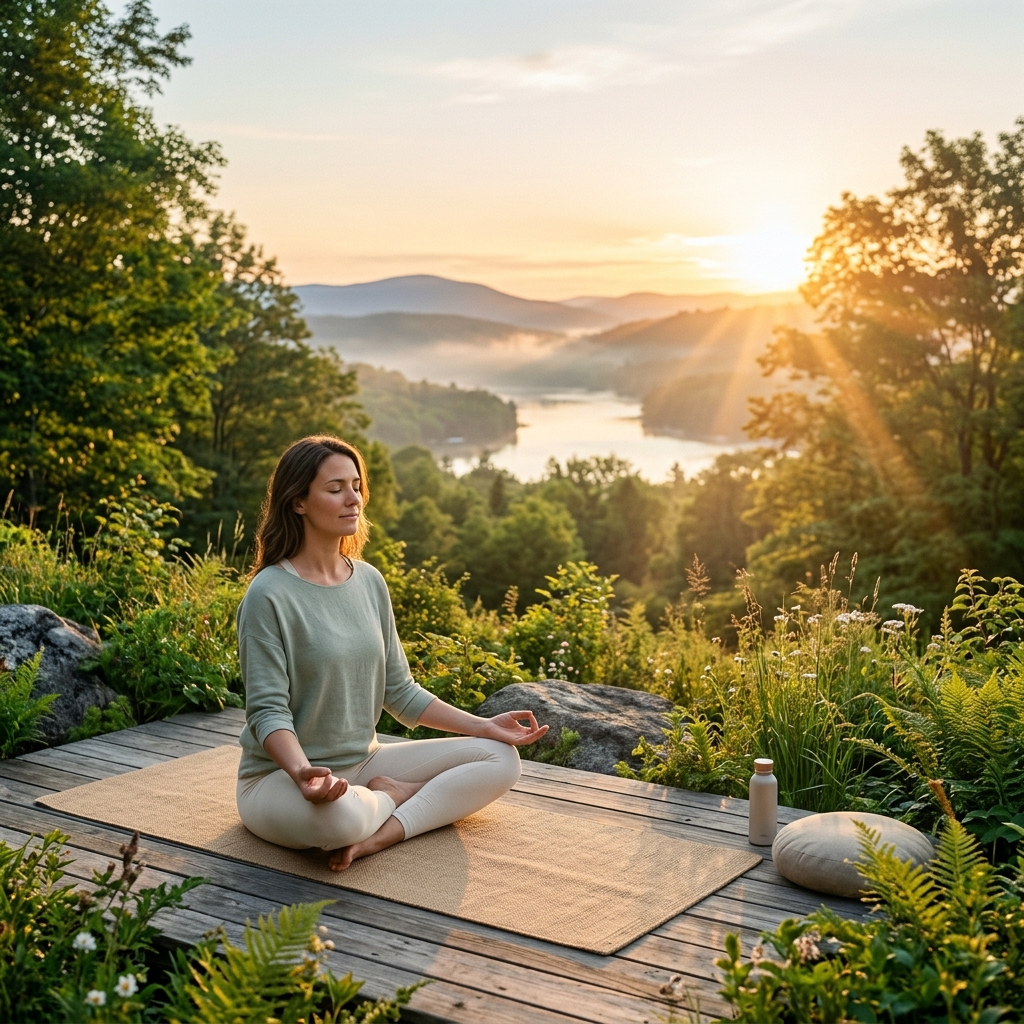
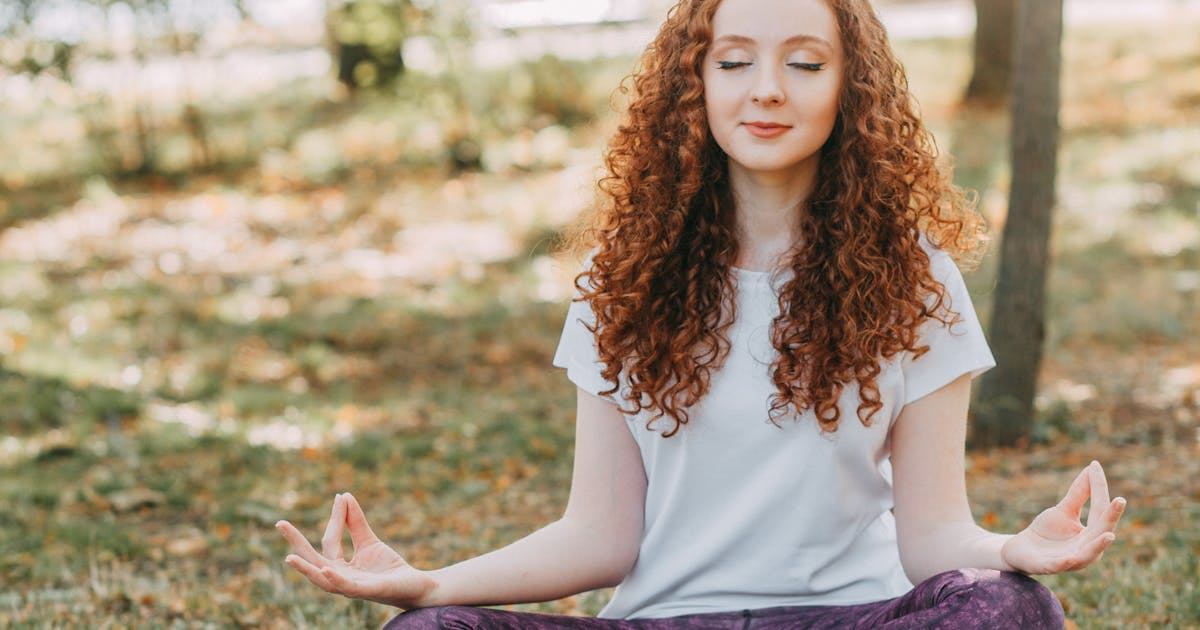
Meditation is no longer just for monks. It is a brain-training tool used by high-performing CEOs and athletes. Research shows that just 10 minutes of daily mindfulness meditation can physically shrink the amygdala — the part of the brain responsible for the “fight or flight” response. This is a direct way to reduce stress and anxiety naturally by rewiring your brain’s reaction to pressure.
How to do it: You don’t need a perfectly quiet room. Simply sit, close your eyes, and focus on the sensation of your breath. When your mind wanders (and it will), gently bring it back without judgment.
2. Forest Bathing and Nature Immersion
The concept of “Shinrin-yoku” or forest bathing is becoming a prescribed therapy in 2026. Spending time in nature, specifically around trees, lowers cortisol (the stress hormone) and boosts the production of natural killer (NK) cells. It is not just about the fresh air; trees emit compounds called phytoncides that have a direct calming effect on the human nervous system.

How to do it: Aim for at least 30 minutes in a green space each week. Leave your phone in your pocket and observe the sounds, textures, and smells of the environment around you.
3. The Power of Therapeutic Journaling
Anxiety often feels like a “thought loop” that keeps playing over and over in your head. Journaling acts as a relief valve. When you write down your fears and stressors, you transfer them from your internal mind to external paper. This process, known as “affect labeling,” reduces the intensity of emotional responses.

How to do it: Try “brain dumping” for 5 minutes every morning or evening. Don’t worry about grammar or spelling — just write everything that is on your mind.
4. Optimizing Your Sleep Hygiene
Sleep and anxiety are deeply linked. When we are sleep-deprived, the brain’s emotional center becomes 60% more reactive to negative stimuli. In 2026, we focus on “biological darkness” — minimizing blue light exposure at least 90 minutes before bed to allow melatonin production to flourish naturally.
How to do it: Keep your bedroom cool, dark, and gadget-free. Supplementing with magnesium (with a doctor’s advice) can also help relax muscles and promote deeper rest.
5. Movement as Medicine
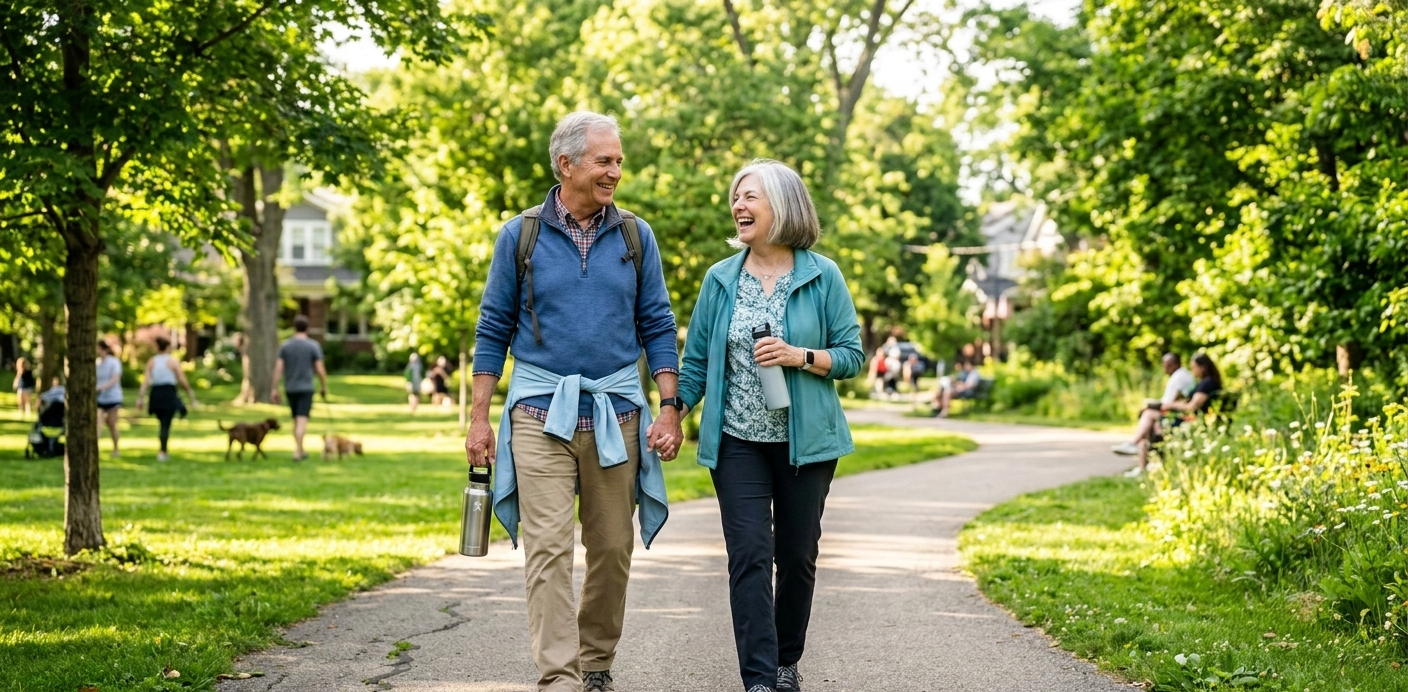
Exercise is one of the most underused antidepressants. Physical activity increases the production of endorphins and brain-derived neurotrophic factor (BDNF), which protects your neurons from the damaging effects of stress. You don’t need to run a marathon; even a brisk walk or a short yoga session can reset your mood.
{{IMG_EXERCISE}}
How to do it: Focus on movement that you actually enjoy. If the gym feels like a chore, try dancing, swimming, or hiking.
6. Limiting “Digital Consumption” windows
In 2026, “doomscrolling” is a recognized contributor to clinical anxiety. The constant influx of news and social comparison keeps our brains in a perpetual state of hyper-arousal. Setting boundaries with your devices is essential to reduce stress and anxiety naturally.
How to do it: Set “tech-free” hours during the first and last hours of your day. Use app blockers to limit your time on social media platforms during the workday.
7. Calming Herbal Remedies and Teas
Nature provides a pharmacy of calming herbs. Chamomile, Ashwagandha, and Lemon Balm have been scientifically studied for their ability to lower anxiety levels without the side effects of conventional medication. Ashwagandha, in particular, is an adaptogen that helps the body “adapt” to stress over time.

How to do it: Replace your third cup of coffee with a warm herbal tea. The ritual of brewing and sipping a warm drink is itself a calming grounding exercise.
8. Practice Deep Diaphragmatic Breathing
When we are anxious, we tend to breathe shallowly from our chests. This sends a signal to the brain that there is a threat. By consciously switching to “belly breathing,” you stimulate the vagus nerve, which activates the body’s parasympathetic (rest and digest) nervous system.
How to do it: Place one hand on your belly. Inhale for 4 counts, hold for 4, and exhale for 8. The longer exhale is the key to calming the heart rate.
9. Cultivating Meaningful Social Connections
Loneliness is a major driver of stress. Humans are social animals, and isolation triggers a physiological stress response. A simple conversation with a friend or a hug from a loved one releases oxytocin, which naturally counters the effects of cortisol.
How to do it: Reach out to one person every day. It could be a quick text, a phone call, or an in-person coffee date. Connection is a vital nutrient for the mind.
10. Focus on a Nutrient-Dense, Clean Diet
What you eat directly affects how you feel. Diets high in processed sugars and artificial additives can lead to blood sugar spikes that mimic the physical symptoms of anxiety (shaking, heart racing). Transitioning to an anti-inflammatory diet rich in Omega-3s and antioxidants can support brain health and emotional stability.
Conclusion
Learning how to reduce stress and anxiety naturally is a journey, not a destination. You don’t have to implement all 10 steps today. Start with one or two that resonate with you and build from there. In the complexity of 2026, the most radical act you can perform is taking care of your internal peace.
Which of these natural stressors-relievers will you try first? Share your thoughts and experiences in the comments below!