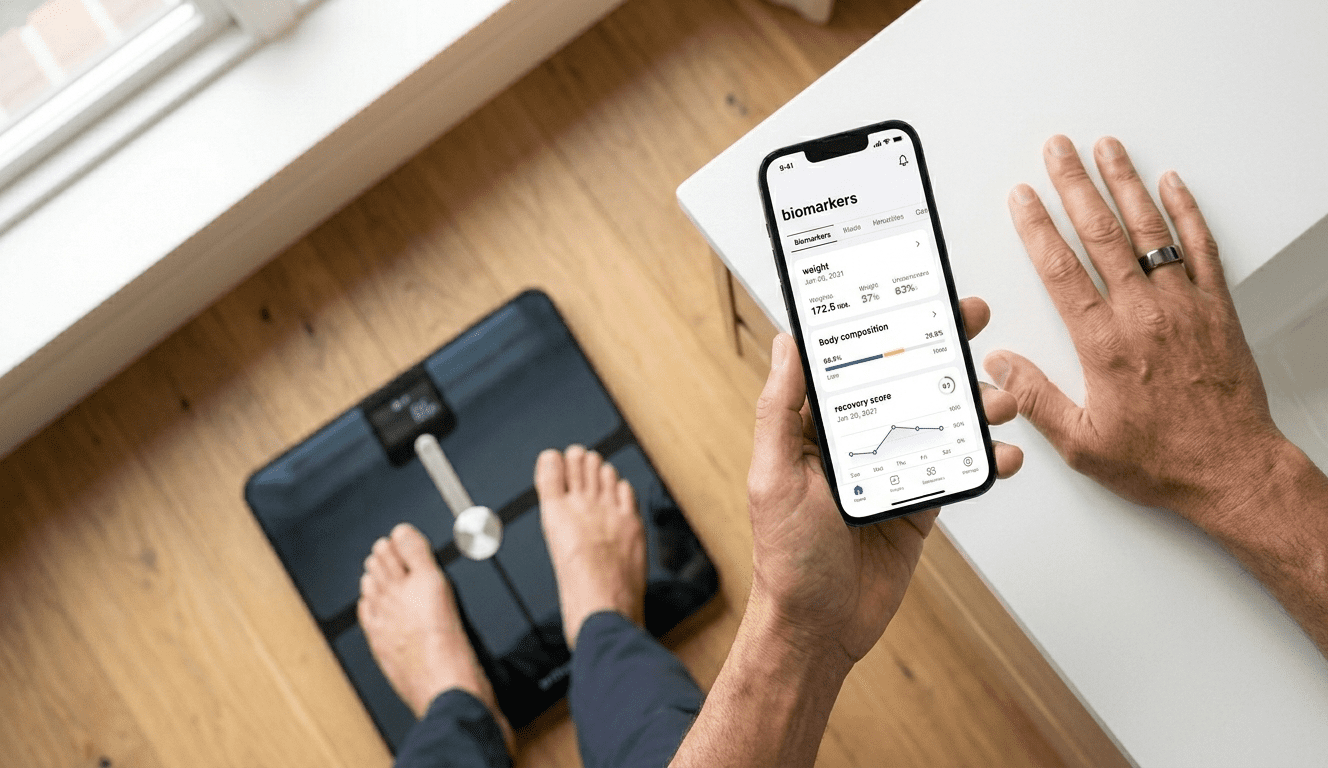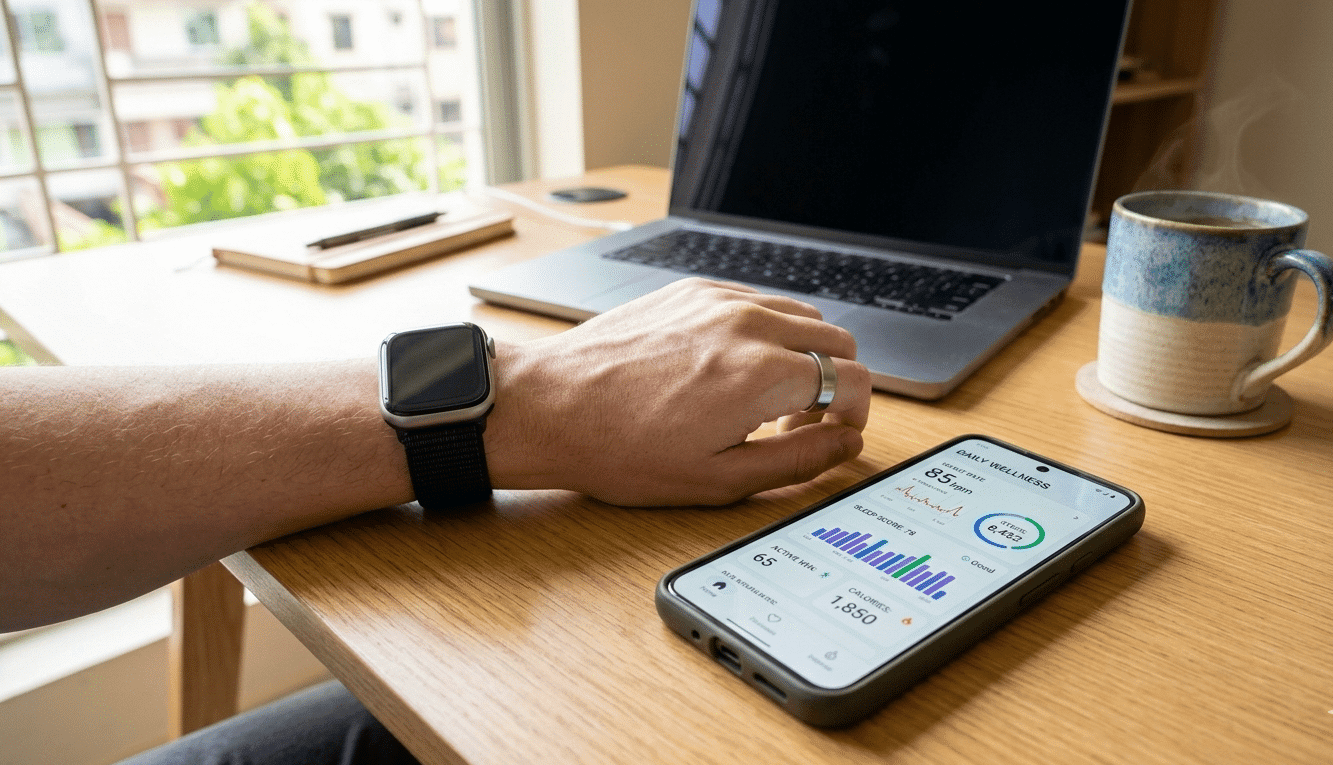
The boundary between technology and health has completely dissolved in 2026. We are no longer in the era of just counting steps or tracking calories. We have entered a period of personalized medical intelligence, where the devices we wear and the software we use are effectively acting as a 24/7 medical team. The focus has shifted from “reacting” to illness to “anticipating” it, and the technology making this possible is nothing short of revolutionary.
For the average person looking to optimize their wellness, the sheer volume of new gadgets and apps can be overwhelming. Which of these are genuine medical breakthroughs, and which are just expensive toys? In this guide, we dive into the five most significant health tech innovations of 2026 that are genuinely changing how we live, sleep, and heal.
By understanding these tools, you can move from a passive observer of your health to an active participant, using real-time data to make decisions that could add years to your life.

1. The Rise of Bio-Sensing Smart Rings
While smartwatches have dominated the market for a decade, 2026 is officially the year of the smart ring. These discreet devices have surpassed watches in accuracy for many metrics because they sit closer to the arteries in your finger, where the pulse signal is much stronger. Modern rings are now capable of monitoring not just heart rate and sleep, but also blood glucose levels (non-invasively) and even hormonal shifts.
The beauty of the smart ring is its “set and forget” nature. Because they are lightweight and have a long battery life (often 10-14 days), they provide a continuous stream of data without the “notification fatigue” that comes with a smartwatch. For wellness enthusiasts, the most important metric they track is Heart Rate Variability (HRV), which acts as a real-time stress and recovery score for your nervous system.
The Impact: Instead of guessing why you feel tired, your ring can tell you if you are coming down with a cold or if your body simply hasn’t recovered from yesterday’s workout. This allows for a level of day-to-day lifestyle tuning that was previously impossible.
2. Non-Invasive Glucose Monitoring
For decades, monitoring blood sugar meant pricking your finger — a painful and inconvenient process. In 2026, technology has finally delivered a non-invasive solution. Using a combination of infrared lasers and radiofrequency sensors, new wearables can now track your glucose levels through the skin without drawing a drop of blood.
This isn’t just for diabetics anymore. High-performance athletes and wellness-conscious individuals are using these sensors to see exactly how their body reacts to different foods in real-time. You might discover that a “healthy” oatmeal breakfast spikes your blood sugar as much as a donut, while a different cereal keeps it stable. This “glucose-informed” eating is becoming a cornerstone of modern nutrition.
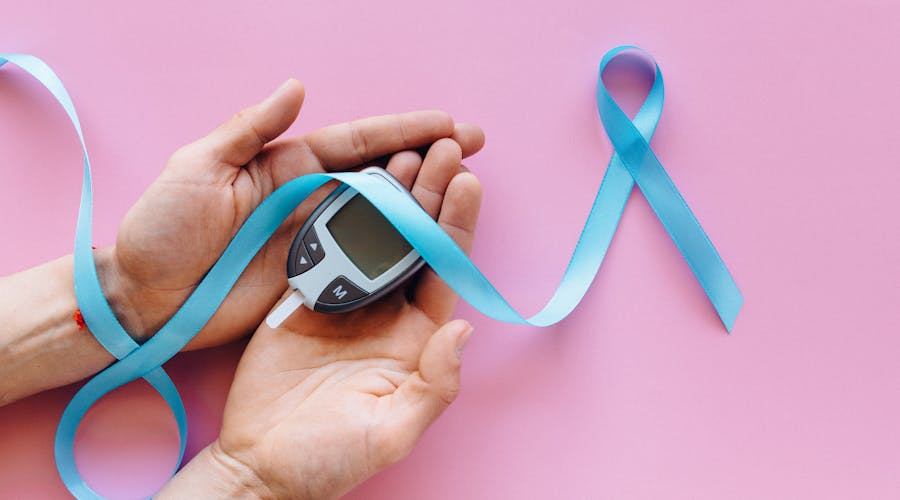
The Impact: By eliminating the blood sugar spikes and crashes that cause brain fog and fat storage, users can maintain stable energy throughout the entire day and significantly reduce their risk of metabolic syndrome.
3. AI-Powered Personalized Nutrition
Generic “balanced” diets are becoming a thing of the past. In 2026, we have AI nutritionists that live on our phones but are powered by our biology. By combining data from your wearables (wearable rings, glucose monitors) with a simple at-home gut microbiome test, these AI platforms create a dynamic, daily meal plan tailored specifically to you.
If your sleep data shows poor recovery, the AI might suggest a dinner high in magnesium and specific amino acids. If your glucose sensor shows you are sensitive to white rice, it will swap it for quinoa or farro in your lunch plan. It is a level of precision nutrition that was once reserved for Olympic athletes or billionaires.

The Impact: This removes the guesswork from healthy eating. It stops the cycle of trying “trendy” diets that don’t work for your specific body type and helps you find a sustainable way of eating that makes you feel your best.
4. Virtual Reality (VR) for Mental Wellness
VR is no longer just for gaming. In 2026, clinical-grade VR headsets are being used as powerful tools for mental health. “Bio-reactive” VR experiences use sensors to monitor your heart rate and breath, and they adjust the virtual environment in real-time to help you calm down.
If the headset detects high stress, the virtual forest might become quieter and the colors softer. If it detects you are struggling with guided meditation, it can provide visual cues to help sync your breath. Beyond simple relaxation, VR is also being used in 2026 for exposure therapy to treat phobias and PTSD, as well as for chronic pain management by retraining the brain’s focus.

The Impact: It makes advanced psychological tools accessible at home. For those who find it difficult to sit and meditate in a quiet room, VR provides an immersive, “active” way to achieve deep states of relaxation and mental clarity.
5. Smart Fabrics and Posture-Correcting Wearables
The “wearable” of 2026 isn’t just a device you strap on; it is the clothes you wearing. We now have smart fabrics with embedded haptic sensors that monitor your movement and posture throughout the day. If you start to slouch over your laptop, the fabric provides a tiny, almost imperceptible vibration to remind you to straighten up.
These fabrics are also being used in athletic gear to provide real-time form correction. Imagine lifting weights or doing yoga and having your shirt tell you through your earbuds that your back isn’t straight or your weight is shifting too much to one side. It is like having a personal trainer built into your clothes.
The Impact: This technology addresses the “silent” health crisis of 2026 — back pain and poor posture caused by sedentary desk work. By making posture correction a passive habit, it prevents long-term joint and spinal issues before they start.
The Bottom Line
Health technology in 2026 isn’t about collecting more data; it is about getting better insights. The goal of all these innovations is to help you understand your unique body better and make small, meaningful shifts that lead to long-term vitality.
You don’t need every gadget on this list. Pick the one that addresses your biggest wellness challenge — whether that is sleep, nutrition, or stress — and see how much difference a bit of real-time intelligence can make.
Your body is the most complex piece of technology you will ever own. In 2026, we finally have the tools to understand how it works.
Which of these health tech trends are you most excited to try? Let us know in the comments!