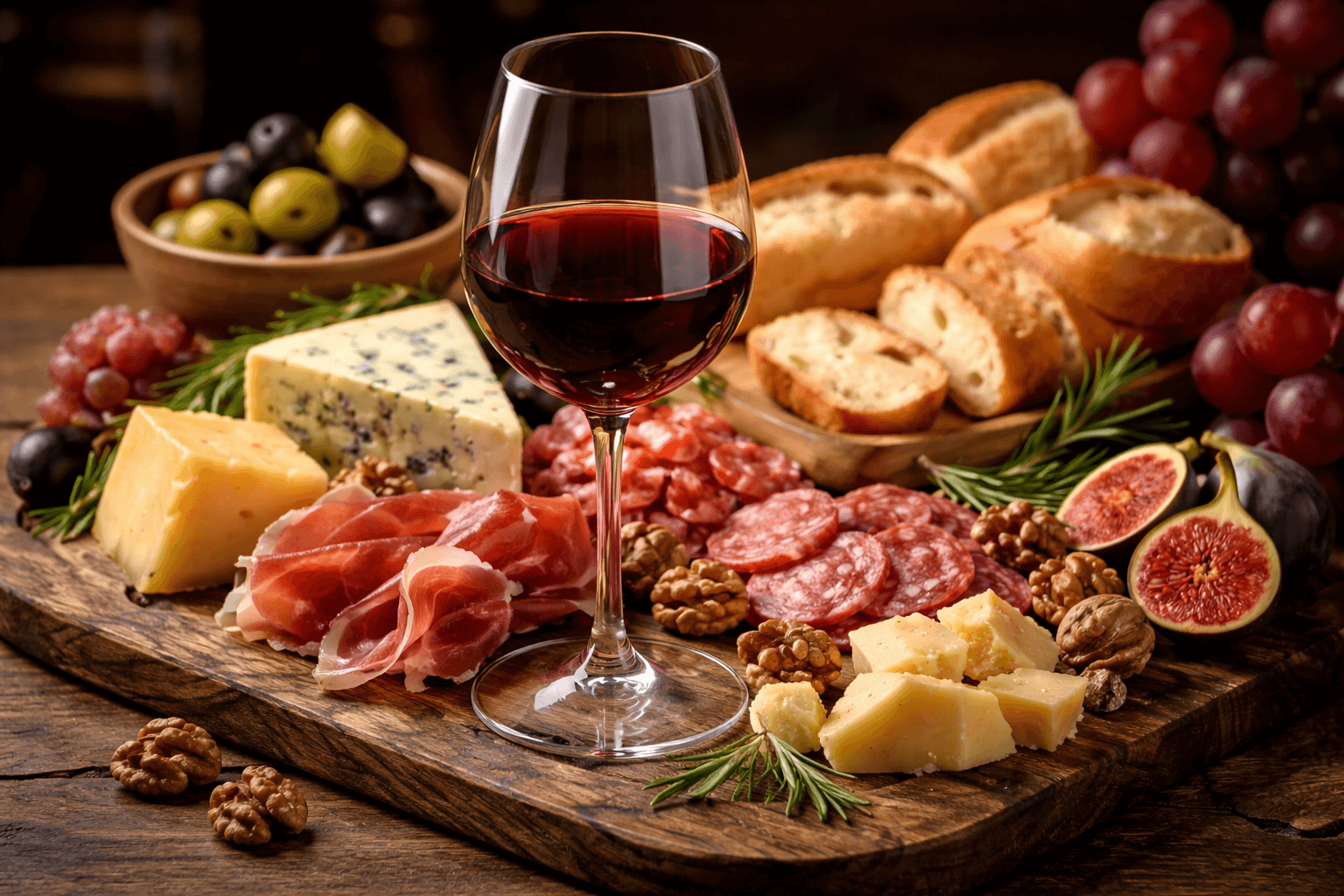
One of the most talked-about parts of the Mediterranean diet is the small glass of red wine with meals. You’ve probably heard claims that it helps your heart or even adds years to your life. But when you’re over 60, is it really safe — or smart — to include wine in your routine?
I’ve talked to many seniors who enjoy a glass now and then, and others who skip it entirely. The truth is, moderation is key, and for older adults, there are extra things to consider like medications, balance, and overall health. Let’s break it down honestly so you can decide what works for you.
What “Moderate” Actually Means in the Mediterranean Diet
In traditional Mediterranean eating, “moderate” wine means:
- Up to 1 glass per day for women
- Up to 2 glasses per day for men
A standard glass is about 5 ounces (150 ml) — think a small wine glass filled halfway, not a big pour. It’s usually enjoyed with meals, not on an empty stomach or late at night.
Red wine gets the most attention because of compounds like resveratrol and polyphenols, which act as antioxidants. Studies link moderate red wine to better heart health, lower inflammation, and sometimes improved cholesterol levels in middle-aged and older adults.
Potential Benefits for Seniors
When done right, a small amount of wine might offer:
- Heart protection: May help relax blood vessels and reduce clotting risk (supported by long-term studies like the PREDIMED trial).
- Anti-inflammatory effects: Polyphenols can ease chronic low-grade inflammation common in aging.
- Social & relaxation boost: Enjoying a glass with family or friends can improve mood and reduce stress — important for mental health after 60.
Many people in Blue Zones (like parts of Greece and Italy) include moderate wine and live long, active lives.
Risks and Cautions for People Over 60
Age changes how your body handles alcohol, so it’s not the same as when you were younger. Watch out for:
- Medications: Wine can interact with blood thinners (like warfarin), blood pressure meds, diabetes drugs, or painkillers — sometimes dangerously. Always check with your doctor.
- Fall risk: Even one glass can affect balance and coordination more in seniors, increasing chances of falls.
- Liver & brain: Older livers process alcohol slower; heavy or regular drinking raises risks for liver issues or cognitive decline.
- Dehydration & sleep: Alcohol can worsen dehydration (common in seniors) and disrupt deep sleep.
If you have a history of alcohol issues, liver problems, certain cancers, or take multiple meds, many doctors recommend skipping it entirely.
Non-Alcoholic Alternatives That Still Fit the Diet
Don’t want alcohol? No problem — you can get similar benefits without it:
- Dealcoholized red wine (available in many US stores like Total Wine or Whole Foods)
- Grape juice (dark/red varieties for resveratrol)
- Herbal teas with pomegranate or berry flavors
- Sparkling water with lemon and a splash of tart cherry juice
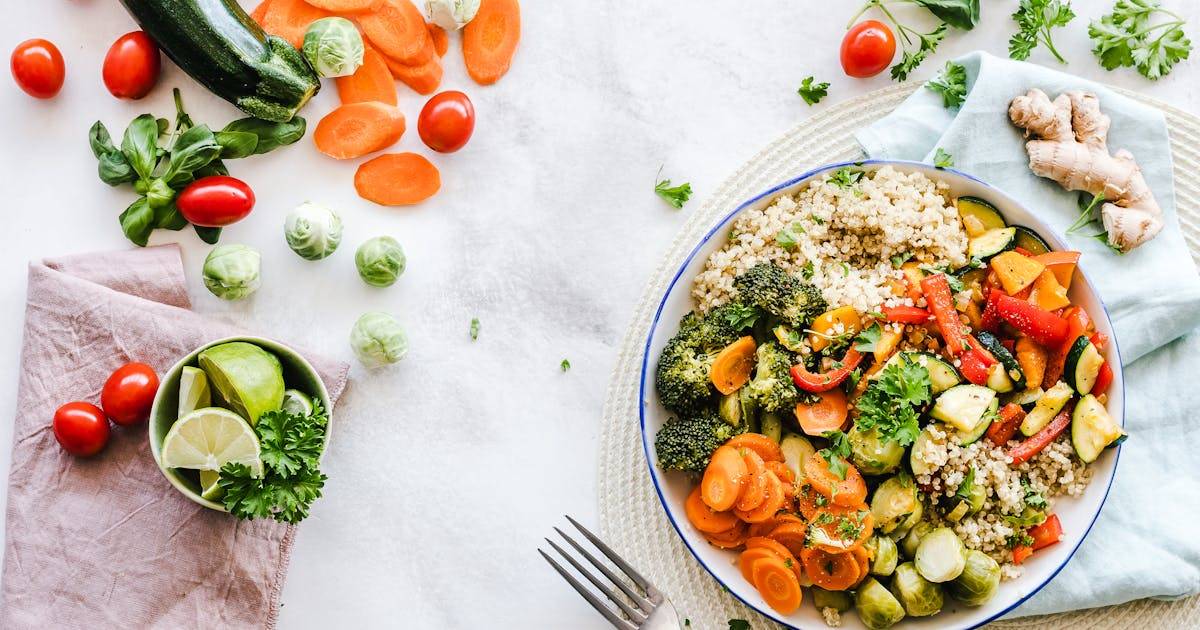
These keep the Mediterranean spirit — plant-based, antioxidant-rich — without any alcohol concerns.
How to Enjoy It Safely If You Choose To
If your doctor gives the green light:
- Stick to 1 small glass max per day (or less).
- Drink with food, never on an empty stomach.
- Choose red over white for higher antioxidants (but any moderate wine is fine).
- Opt for lower-alcohol options (under 13% ABV) if possible.
- Track how you feel — if dizzy, sleepy, or off-balance, stop.
Bottom line: Wine isn’t required for the Mediterranean diet’s benefits. The real stars are the veggies, olive oil, fish, nuts, and movement. A little wine can be a nice addition for some, but it’s optional — and safety comes first after 60.
Disclaimer: This is general information only, not medical advice. Alcohol affects everyone differently, especially with age or health conditions. Always consult your doctor before adding or changing alcohol intake, particularly if you take medications or have chronic illnesses.
Sources
- Mayo Clinic: Alcohol use: Weighing risks and benefits
- Harvard Health: Is red wine actually good for your heart?
- Cleveland Clinic: Mediterranean Diet Food List & Guidelines
- National Institute on Aging: Alcohol and Aging