In 2026, superfoods continue to be a cornerstone of natural wellness. These nutrient-dense foods offer concentrated vitamins, minerals, antioxidants, adaptogens, and bioactive compounds that support energy levels, strengthen the immune system, reduce inflammation, and promote healthy aging. Unlike trendy supplements, superfoods are real, whole foods that fit easily into everyday meals without complicated recipes.
This guide covers the most powerful superfoods available today, why they stand out in 2026, how to use them practically, and what science says about their benefits. The focus is on sustainable, accessible options that provide real results when included regularly – not magic bullets, but reliable allies for feeling better day to day.
Why Superfoods Matter More Than Ever
Modern lifestyles – stress, processed foods, irregular sleep – deplete nutrients and increase inflammation. Superfoods help fill those gaps naturally by delivering:
- High levels of antioxidants to fight oxidative stress and support cellular health
- Adaptogens to help the body handle stress and maintain energy balance
- Prebiotics and probiotics for gut health, which influences immunity and mood
- Key micronutrients (vitamins, minerals, polyphenols) that many people lack
- Compounds linked to longevity pathways (e.g., sirtuins, AMPK activation)
Research from sources like Harvard Health, Mayo Clinic, and recent 2026 studies highlights that consistent intake of nutrient-rich foods correlates with better energy, fewer sick days, improved recovery, and markers of healthier aging.
Top Superfoods to Include in 2026
1. Moringa – The Nutrient Powerhouse
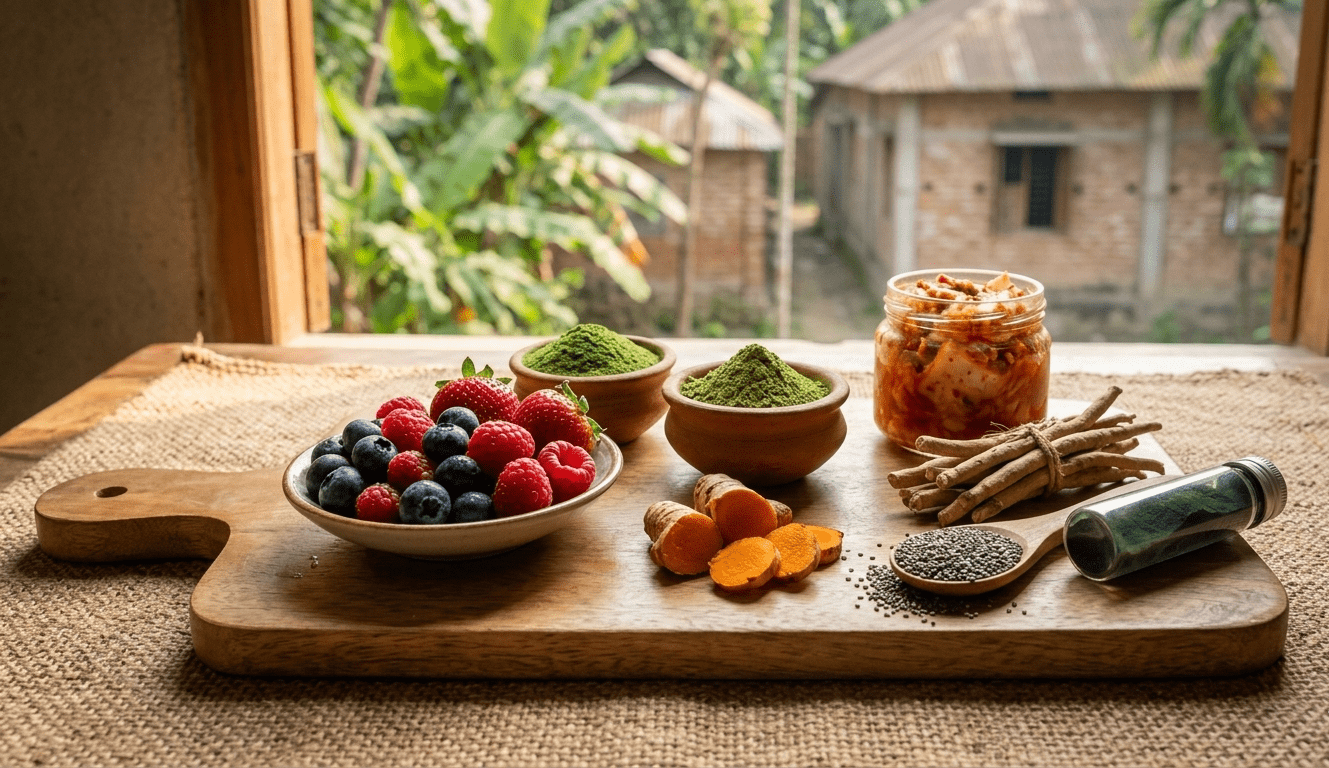
Moringa (often called the “miracle tree”) is packed with vitamins A, C, E, calcium, potassium, iron, and over 90 nutrients. Its leaves are especially high in antioxidants and anti-inflammatory compounds.
Benefits: Sustained energy (natural B vitamins + iron), immune support (high vitamin C), blood sugar balance, and mild adaptogenic effects.
How to use: Add 1 tsp moringa powder to smoothies, oatmeal, soups, or tea daily. Start small to avoid digestive adjustment.
Tip: Choose organic leaf powder (not seeds or roots) for best nutrient profile and mild taste. Combine with citrus for better iron absorption.
2. Ashwagandha – Stress & Energy Adaptogen
This ancient herb is one of the most researched adaptogens. 2026 studies continue to confirm its role in lowering cortisol, improving sleep quality, boosting testosterone in men, and enhancing physical performance.
Benefits: Reduces stress-related fatigue, supports thyroid function, improves focus and endurance, aids recovery after exercise.
How to use: 300–600 mg standardized extract (KSM-66 or Sensoril) in capsule form, or root powder in warm milk or smoothies at night.
Tip: Take consistently for 4–8 weeks to notice effects. Avoid if you have hyperthyroidism or are on sedatives without doctor approval.
3. Matcha Green Tea – Antioxidant & Calm Energy
Matcha is whole-leaf green tea powder, delivering 137x more antioxidants (EGCG) than regular green tea. It provides steady caffeine release with L-theanine for calm focus.
Benefits: Boosts metabolism, supports brain health, fights inflammation, promotes fat oxidation, and enhances mood without jitters.
How to use: Whisk ½–1 tsp ceremonial-grade matcha with hot water for traditional tea, or add to lattes, smoothies, or baked goods.
Tip: Choose ceremonial grade for drinking (higher quality, less bitter). Limit to 1–2 servings daily to avoid excess caffeine.
4. Mixed Berries (Blueberries, Blackberries, Acai, Goji) – Brain & Immunity Protectors
Berries top the antioxidant charts with anthocyanins, vitamin C, fiber, and polyphenols. 2026 research links regular intake to better cognitive function, reduced inflammation, and stronger immunity.
Benefits: Protects brain cells, supports gut microbiome, improves circulation, helps stabilize blood sugar.
How to use: Add ½–1 cup fresh/frozen berries to breakfast bowls, yogurt, smoothies, or eat as snacks. Goji berries can be rehydrated in tea.
Tip: Frozen berries retain nutrients and are more affordable year-round. Combine different types for broader antioxidant spectrum.
5. Fermented Foods (Kimchi, Sauerkraut, Kefir, Miso) – Gut Health Superstars
Fermented foods deliver live probiotics, prebiotics, and bioactive peptides that support gut lining, immunity (70% of immune system is in the gut), and mood via the gut-brain axis.
Benefits: Improves digestion, reduces inflammation, enhances nutrient absorption, supports mental clarity and stress resilience.
How to use: Add 1–2 tbsp kimchi or sauerkraut to meals, drink ½ cup kefir daily, use miso in soups (don’t boil to preserve probiotics).
Tip: Start with small amounts to avoid bloating. Choose unpasteurized for live cultures. Rotate types for diverse strains.
6. Turmeric + Black Pepper – Anti-Inflammatory Duo
Curcumin in turmeric is a potent anti-inflammatory and antioxidant. Black pepper’s piperine increases absorption by up to 2000%.
Benefits: Reduces joint discomfort, supports brain health, aids digestion, promotes cardiovascular wellness.
How to use: Add ½–1 tsp turmeric + pinch of black pepper to curries, golden milk, smoothies, or teas.
Tip: Pair with healthy fat (coconut milk, olive oil) for better absorption. Use high-quality organic powder or fresh root.
How to Incorporate Superfoods Without Overcomplicating
Start simple:
- Pick 2–3 superfoods to focus on for 4 weeks
- Add them to existing meals (e.g., berries in breakfast, moringa in smoothie)
- Rotate weekly to get variety and prevent boredom
- Track how you feel – energy, digestion, mood
Common mistakes to avoid:
- Overdosing powders – start with ½ tsp
- Ignoring quality – choose organic, tested products
- Expecting overnight miracles – benefits build over weeks
- Neglecting balance – superfoods complement, not replace, whole meals
Superfoods in 2026 are about consistent, enjoyable addition to daily life. Focus on quality, variety, and enjoyment – the cumulative effect on energy, immunity, and longevity is real and sustainable.
Disclaimer: This is general information about foods and wellness. Superfoods are not medical treatments. Consult a healthcare professional before significant dietary changes, especially with conditions, medications, or allergies.
Sources
- Harvard Health: The Benefits of Superfoods and Antioxidants
- Mayo Clinic: Adaptogens and Stress Management
- National Institutes of Health: Probiotics and Gut Health
- 2026 Nutrition Reviews: Curcumin Bioavailability and Longevity