Ever feel like your daily meals are all over the place? One day it’s fast food because you’re rushed, the next it’s whatever’s in the fridge that looks edible. If you’re like most folks in the US juggling work, family, and everything else, switching to a healthier way of eating can seem overwhelming. But here’s the good news: the Mediterranean diet isn’t about strict rules or fancy ingredients you can’t find at your local Walmart or Kroger. It’s more of a flexible lifestyle — one that’s been ranked among the healthiest eating patterns year after year, including in recent 2026 updates from places like U.S. News & World Report.
I’ve seen it work for so many people, especially those over 50 who want more energy, better heart health, or just to feel good in their clothes again. The best part? You can start small, right now, without turning your kitchen upside down.
What Exactly Is the Mediterranean Diet?
It’s inspired by how people traditionally ate in countries around the Mediterranean Sea — think Greece, Italy, Spain. No calorie counting or cutting out entire food groups. Instead, it focuses on:
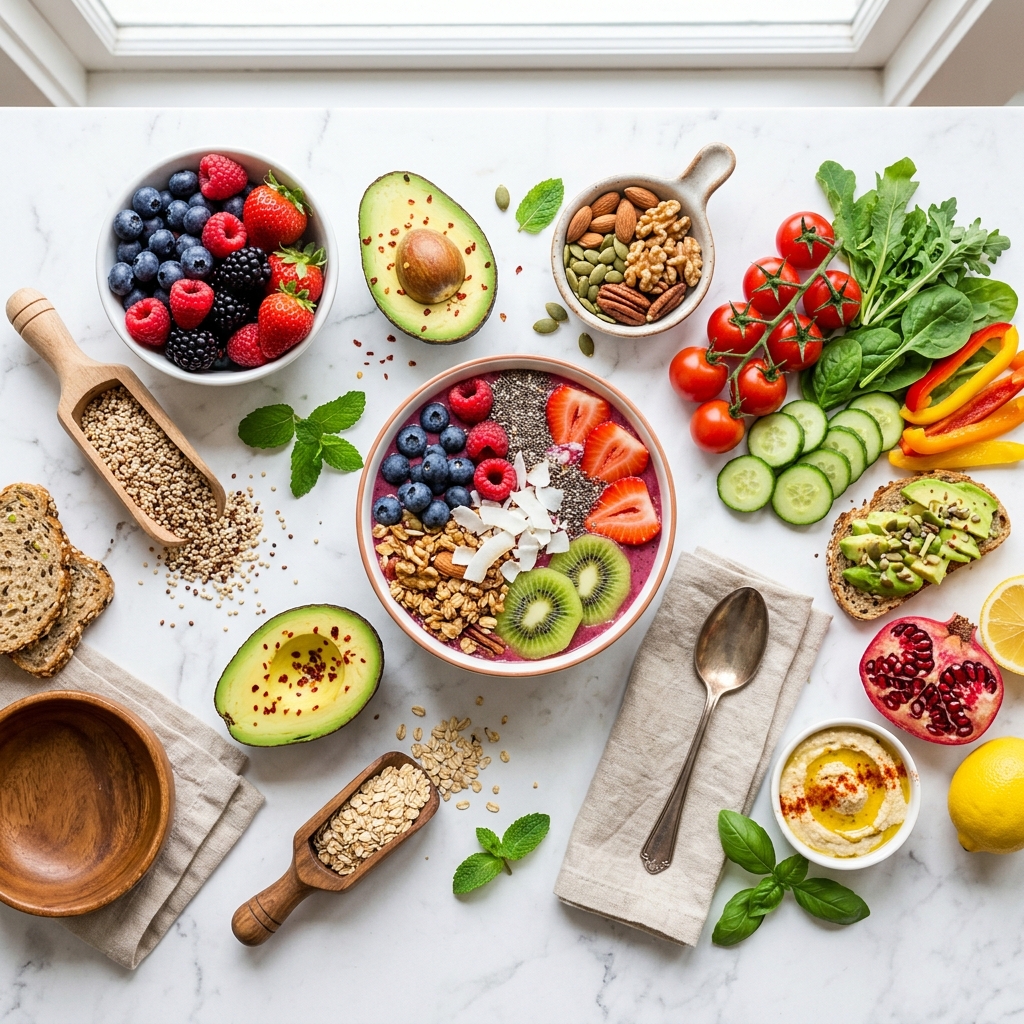
- Lots of plant-based foods: veggies, fruits, whole grains, legumes (beans, lentils), nuts.
- Healthy fats: extra virgin olive oil as the star (instead of butter or vegetable oil).
- Moderate proteins: fish and seafood often, poultry sometimes, red meat rarely.
- Dairy in moderation: Greek yogurt, cheese like feta.
- Herbs and spices for flavor (not tons of salt).
- A little red wine if you enjoy it (but optional, and in moderation).
Studies from Mayo Clinic and Harvard Health show this pattern supports heart health, helps manage weight, reduces inflammation, and may even protect brain function as we age. For Americans, it’s especially great because most ingredients are already in our supermarkets — no need to hunt for exotic stuff.
Why It Works So Well for Busy Americans
Life here moves fast. The Mediterranean diet fits because:
- Meals are simple and quick to prep (think grilled fish with veggies, not hours in the kitchen).
- It uses affordable staples: canned beans, frozen veggies, store-brand olive oil.
- You don’t have to give up flavor — olive oil, garlic, lemon, herbs make everything taste amazing.
- It’s sustainable long-term, not a crash diet.
In 2026, with rising food costs, it’s smart: focus on beans and grains for protein instead of expensive meats every day.
Easy Supermarket Swaps to Get Started
No need to overhaul your shopping list overnight. Start with these simple changes:
- Swap butter or margarine → Extra virgin olive oil (look for “EVOO” on the label — Kirkland or California brands are solid and budget-friendly).
- White bread/bagels → Whole grain bread, brown rice, quinoa, or oats (Bob’s Red Mill or store brands work great).
- Sugary cereal → Plain Greek yogurt with fresh berries and a drizzle of honey.
- Processed snacks (chips, cookies) → Handful of almonds, walnuts, or carrot sticks with hummus.
- Red meat dinners → Swap for salmon, tuna (canned in water), or chicken twice a week; try meatless meals with lentils or chickpeas.
- Soda/juice → Water with lemon slices, herbal tea, or a small glass of red wine (if you like).
Pro tip: Hit the produce section first — fill half your cart with veggies and fruits. Frozen options (like spinach, berries) are just as nutritious and cheaper.
A Simple Day of Eating for Beginners
Here’s a realistic example for a busy day (around 1800-2000 calories, adjustable):
- Breakfast: Greek yogurt parfait — 1 cup plain Greek yogurt, handful blueberries, sprinkle chopped walnuts, dash cinnamon. (Quick, no cooking.)
- Snack: Apple with a tablespoon almond butter.
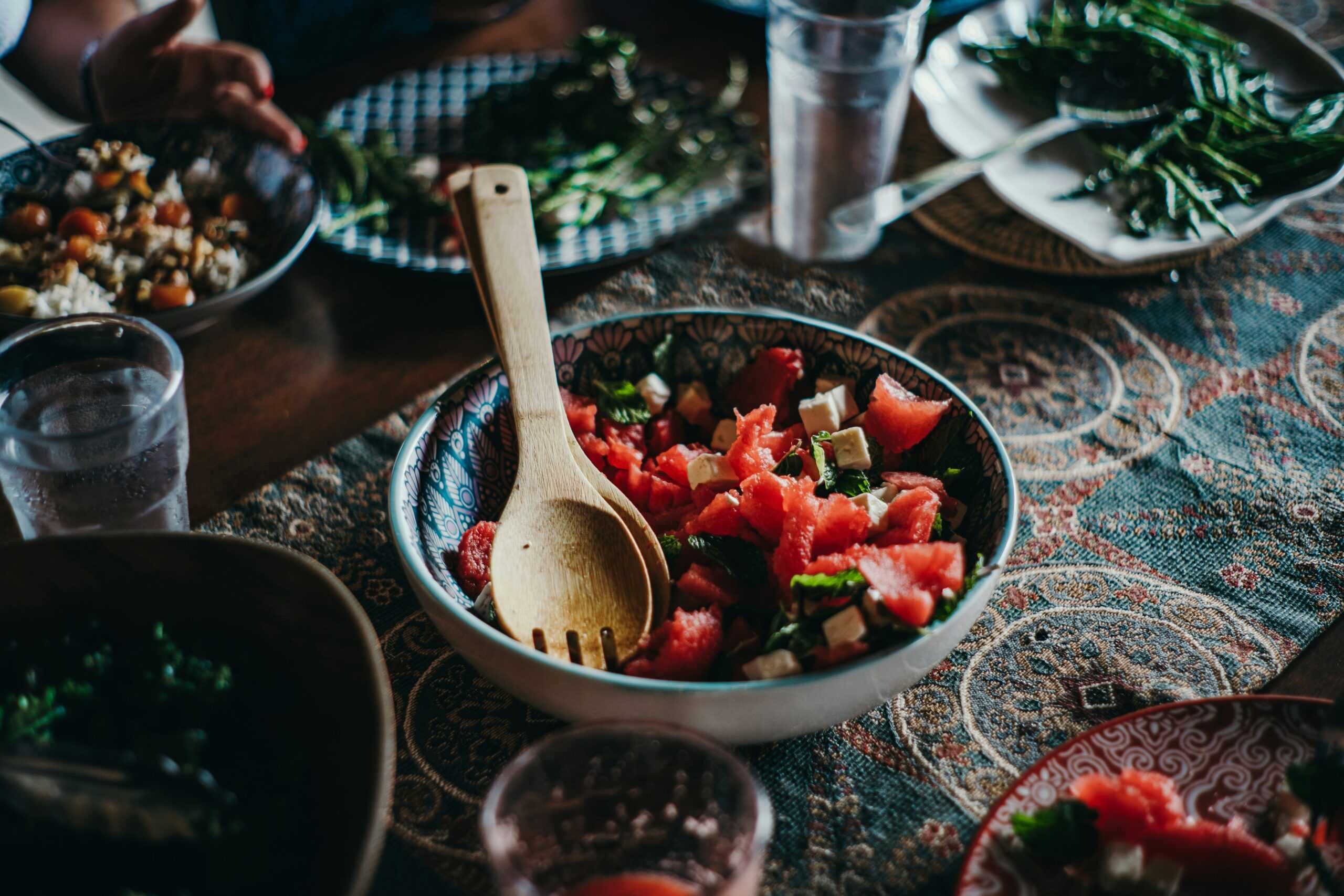
- Lunch: Chickpea salad — canned chickpeas, cherry tomatoes, cucumber, feta, olive oil + lemon dressing. Add whole grain pita if hungry.
- Snack: Carrot sticks and hummus (store-bought or homemade).
- Dinner: Baked salmon (season with olive oil, garlic, herbs), roasted broccoli/zucchini, side of quinoa or brown rice.
- Dessert (optional): A square of dark chocolate or fresh fruit.
Total prep time? Under 30 minutes most days.
Quick Starter Recipes to Try This Week
- One-Pan Mediterranean Chicken Chicken breast, cherry tomatoes, olives, garlic, olive oil — bake at 400°F for 25 minutes. Serve with a big salad.
- Easy Hummus Bowl Hummus base, top with chopped veggies, feta, drizzle olive oil. Perfect lunch.
- Greek-Style Veggie Stir Zucchini, bell peppers, onions sautéed in olive oil with oregano. Add canned tuna for protein.
These use 5-7 ingredients max — super beginner-friendly.
Common Mistakes to Avoid (and How to Fix Them)
- Going all-in too fast → Start with one swap per week (e.g., olive oil this week).
- Skipping fats → Healthy fats like olive oil and nuts keep you full — don’t fear them.
- Boring meals → Experiment with herbs (dried oregano, basil from spice aisle).
- Forgetting portions → It’s not “unlimited” — enjoy, but listen to hunger cues.
Health Benefits Backed by Science
- Heart health: Lower bad cholesterol, blood pressure (Mayo Clinic studies).
- Weight management: High fiber + healthy fats help without feeling deprived.
- Brain & mood: Omega-3s from fish, antioxidants from veggies (Harvard research).
- Longevity: Linked to longer, healthier life in multiple long-term studies.
For seniors or anyone over 50, it’s especially helpful for joint health and energy.
Final Thoughts: Just Start Small
You don’t need to eat like you’re on a Greek island tomorrow. Pick one or two changes — maybe switch to olive oil and add more veggies this week. Track how you feel after a month. Most people notice better energy, less bloating, even better sleep.
Remember: this isn’t about perfection. It’s about progress and enjoying real food.
Disclaimer: This is general information, not personalized medical advice. Consult your doctor before making big diet changes, especially if you have health conditions like diabetes or heart issues.
Sources:
- Mayo Clinic: Mediterranean Diet for Heart Health (mayoclinic.org)
- Harvard Health: Guide to the Mediterranean Diet (health.harvard.edu)
- Cleveland Clinic: Mediterranean Diet Food List & Meal Plan (my.clevelandclinic.org)