If you’ve been paying attention to nutrition headlines over the past few years, you’ve probably heard the term “anti-inflammatory diet” thrown around quite a bit. And like most things in the nutrition world, it manages to be both genuinely important and thoroughly overcomplicated at the same time.
Here’s the honest version: chronic inflammation in the body is linked to nearly every major modern disease — heart disease, type 2 diabetes, certain cancers, autoimmune disorders, even depression and cognitive decline. The foods we eat can either fuel that inflammation or help calm it. An anti-inflammatory approach to eating is simply about tilting the balance toward calm.
This isn’t a diet in the restrictive, miserable sense of the word. There’s no calorie counting, no points system, no three-day resets. It’s more of a framework — a set of principles that guide what ends up on your plate most of the time.
What Actually Causes Inflammation Through Food?
Before getting into what to eat, it helps to understand what we’re working against. The primary dietary drivers of chronic inflammation are fairly well-established at this point:
- Refined carbohydrates and added sugars — white bread, pastries, sodas, candy. These spike blood sugar rapidly, triggering inflammatory cytokines.
- Industrial seed oils — corn oil, soybean oil, sunflower oil in large quantities. High in omega-6 fatty acids that, when eaten in excess relative to omega-3s, promote inflammatory pathways.
- Ultra-processed foods — anything with a long ingredient list of things you wouldn’t find in a kitchen. These tend to hit multiple inflammatory triggers simultaneously.
- Trans fats — partially hydrogenated oils found in some margarines and processed snacks. These are consistently inflammatory and have no redeeming nutritional value.
- Excessive alcohol — moderate intake may be neutral or slightly beneficial for some people, but heavy intake is reliably inflammatory.
Notice that this list isn’t telling you to avoid any single macronutrient or specific food group wholesale. It’s more nuanced than that, and any approach that tells you “never eat carbs” or “all fat is bad” is overstating the evidence.
The Core Anti-Inflammatory Foods Worth Actually Eating
Fatty Fish — 2 to 3 Times Per Week
Salmon, mackerel, sardines, and herring are rich in omega-3 fatty acids — specifically EPA and DHA — which are among the most potent anti-inflammatory compounds found in food. These omega-3s directly compete with and displace the pro-inflammatory omega-6s in your cell membranes.
If you’re not a fish person, or access is limited, a high-quality fish oil or algae-based omega-3 supplement is a reasonable alternative. But whole fish comes with a lot of additional nutrition — selenium, vitamin D, B12 — so it’s worth finding ways to include it if you can.
Colorful Vegetables and Fruits — At Every Meal
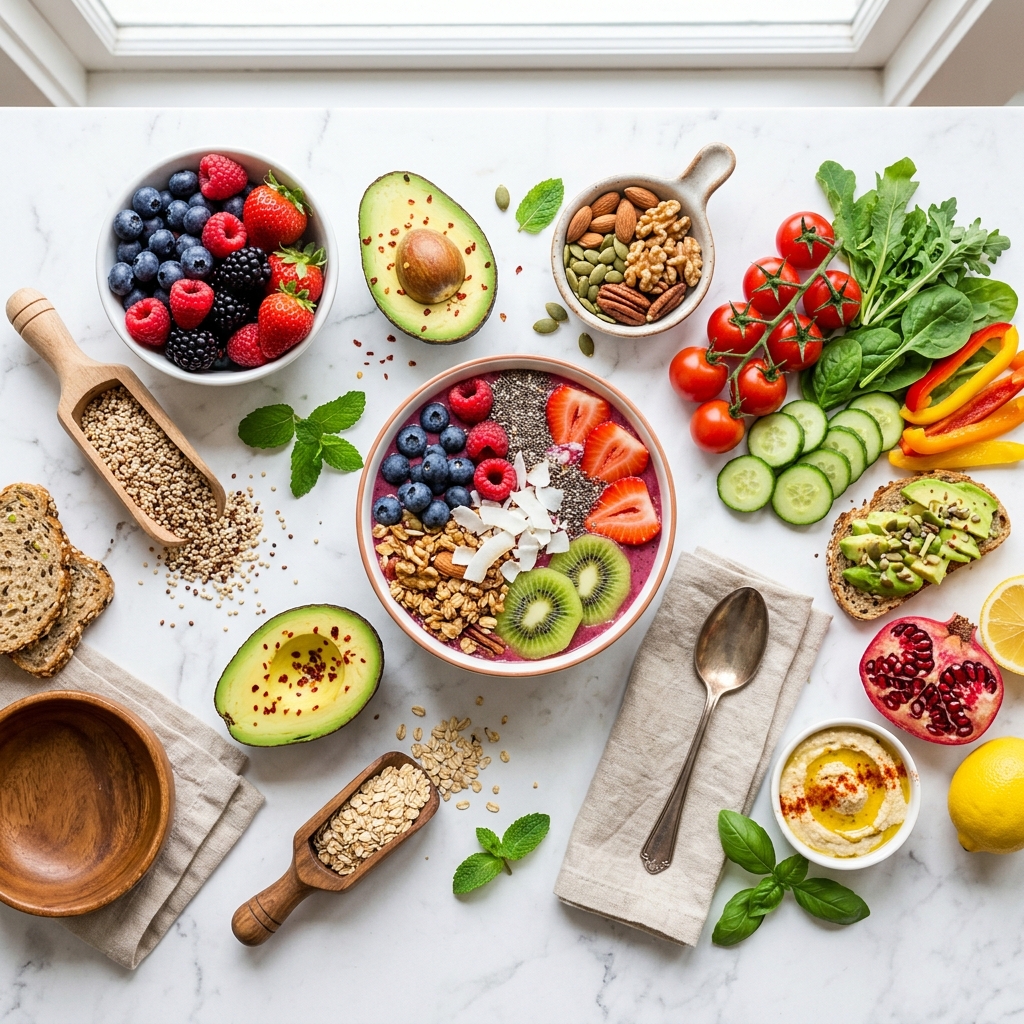
The pigments that give plants their color — anthocyanins in blueberries, lycopene in tomatoes, beta-carotene in carrots — are powerful antioxidants and anti-inflammatory compounds called phytochemicals. Variety matters here: different colors signal different compounds, so eating a wide range gives you broader coverage.
Dark leafy greens — spinach, kale, Swiss chard, arugula — deserve special mention. They’re packed with vitamin K, folate, and magnesium, all of which play roles in managing inflammation. If you’re not eating greens regularly, even one large handful per day makes a measurable difference over time.
Extra Virgin Olive Oil
This is probably the most extensively studied anti-inflammatory food we have. Extra virgin olive oil contains oleocanthal, a compound that inhibits the same inflammatory enzyme that ibuprofen targets — at doses achievable through everyday cooking.
Use it as your primary cooking fat and as a dressing. The “extra virgin” distinction matters: refined olive oils lose much of this benefit in processing. Look for a bottle with a harvest date rather than just an expiry date, and choose oils stored in dark glass to protect the fragile polyphenols.
Legumes — Beans, Lentils, Chickpeas
Legumes are rich in fiber, and emerging research strongly suggests that dietary fiber plays a significant role in reducing systemic inflammation — largely by feeding beneficial gut bacteria that produce anti-inflammatory short-chain fatty acids. They’re also a great source of plant-based protein, magnesium, and polyphenols.
If you’re new to eating more legumes, introduce them gradually to allow your gut microbiome to adapt — this reduces the bloating and discomfort that some people experience initially.
Nuts and Seeds
Walnuts are particularly notable for their alpha-linolenic acid content, a plant-based omega-3. Flaxseeds and chia seeds are also rich in ALA. Almonds, pistachios, and most other nuts provide vitamin E and magnesium. A small handful of mixed nuts daily is associated in multiple large studies with reduced markers of inflammation and lower cardiovascular risk.
Herbs and Spices
This category is often overlooked, but it matters. Turmeric contains curcumin, which has direct anti-inflammatory effects. Ginger has well-documented benefits for inflammation and also helps with nausea and digestive discomfort. Garlic, rosemary, and cinnamon all show meaningful anti-inflammatory activity in the research.
Use these generously and habitually in cooking. They add flavor without adding inflammatory compounds, and over time they accumulate into meaningful benefit.
What a Day of Eating Actually Looks Like
Principles are helpful, but seeing them applied to real meals is more useful. Here’s a simple example of what this approach looks like in practice:
Breakfast: Two eggs scrambled in olive oil with a handful of spinach and sliced tomatoes. A small bowl of mixed berries on the side. Black coffee or green tea.
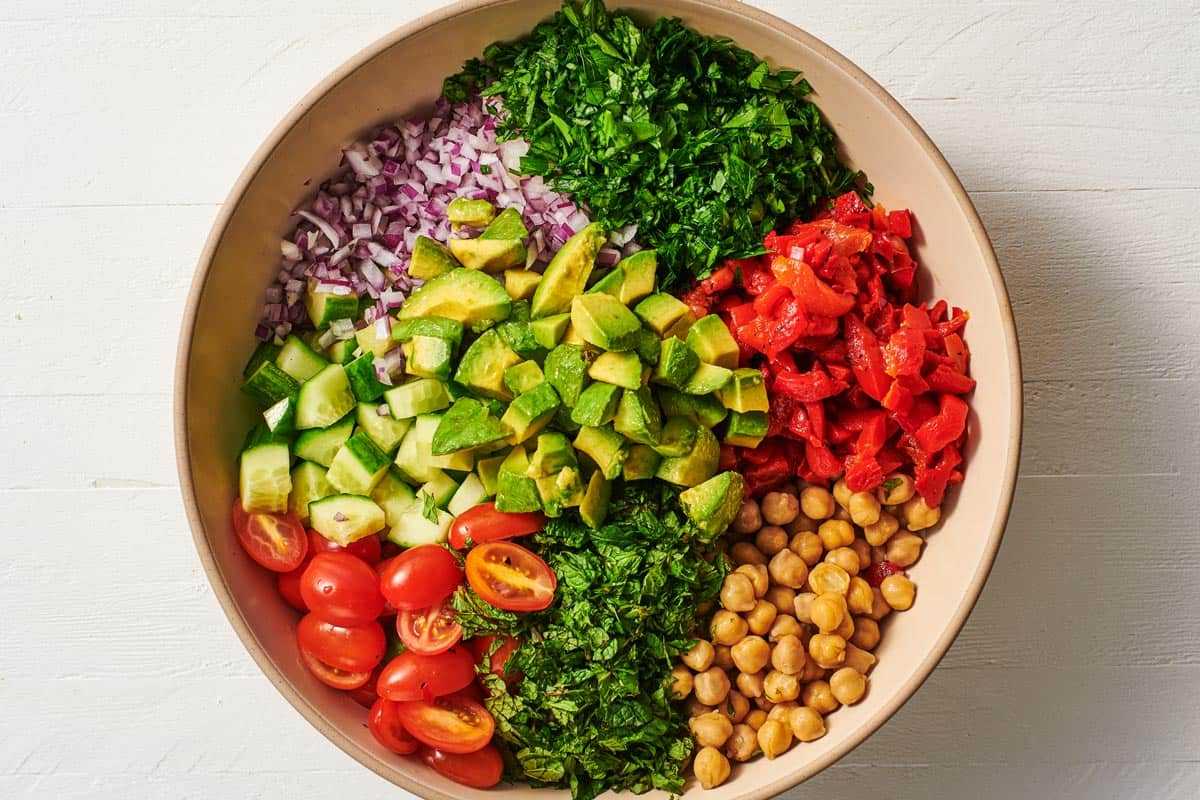
Lunch: A large salad with romaine lettuce, cherry tomatoes, cucumber, chickpeas, pumpkin seeds, and a lemon-olive oil dressing. A slice of good sourdough bread if you want something more substantial.
Dinner: Baked salmon with roasted sweet potato and steamed broccoli, finished with a drizzle of extra virgin olive oil and fresh lemon. A small handful of walnuts as a post-dinner snack.
That is a genuinely enjoyable day of eating. It’s satisfying, varied, and hitting almost every anti-inflammatory principle without being restrictive or complicated.
Realistic Expectations
If you shift to eating this way consistently, what should you expect? Most people notice improved energy and better digestive function within two to three weeks. Skin often clears up a bit. Sleep quality sometimes improves. Inflammatory markers in blood work — C-reactive protein being the main one — typically start shifting in a more favorable direction after a few months of consistent dietary change.
This is not a quick fix. It’s not designed to be. It’s the kind of eating pattern that, sustained over years and decades, significantly shifts your health trajectory. And unlike most diets, it gets easier and more enjoyable over time rather than harder — because building these food habits genuinely changes your palate and your cravings.
Start with one change. Add more vegetables to dinners this week. Swap your cooking oil to extra virgin olive oil. Add a handful of mixed nuts as your afternoon snack. Small shifts, consistently applied, are what this approach is built on.